
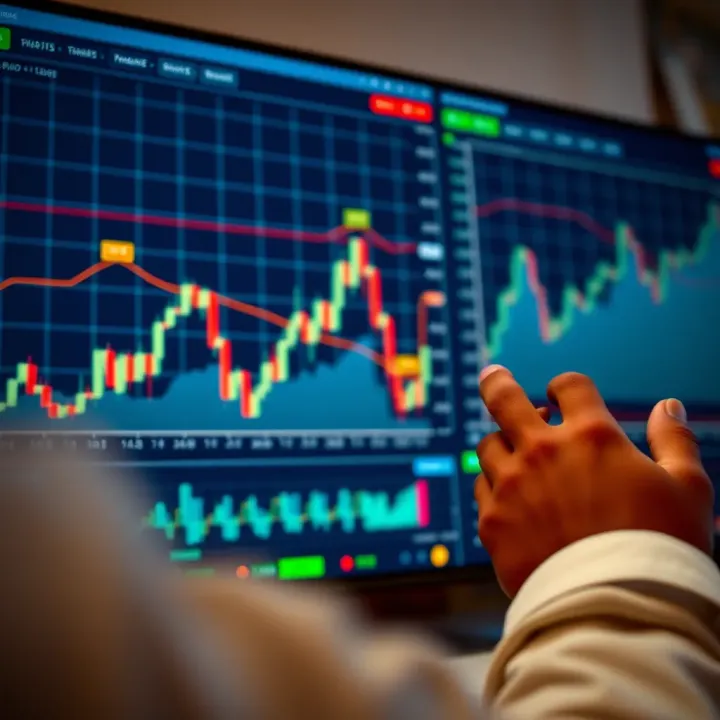
Choosing the Right Forex Trading Platform in Kenya
Discover how to choose the best forex trading platform in Kenya 🇰🇪. Learn about key tools, costs, regulation by CMA, and tips for secure trading with M-Pesa.
Edited By
Grace Mitchell
Choosing the right forex trading platform is the first step towards successful trading in Kenya. The platform acts as your bridge to the global currency markets, providing access to buying and selling forex pairs like USD/KES or EUR/USD. Picking the wrong platform could lead to slow executions, unexpected costs, or even security risks.
There are several types of forex platforms available, each with features suited to different trading styles. Some platforms focus on simplicity and user-friendliness, ideal for beginners, while others offer advanced tools and customisation for experienced traders. For example, MetaTrader 4 (MT4) is widespread in Kenya, known for its balance of usability and powerful charting features.

When selecting a platform, consider these key factors:
Regulation and safety: Look for brokers regulated by the Capital Markets Authority (CMA) in Kenya. This oversight helps protect your funds and ensures fair trading practices.
Ease of use: The platform should be easy to navigate, with clear menus, straightforward order placement, and reliable mobile versions. Many Kenyans rely on mobile trading, so a good app matters.
Trading tools: Essential tools include real-time charts, technical indicators, and risk management features like stop losses and take profits.
Costs involved: Check the spreads, commissions, and withdrawal fees. Some platforms advertise zero commissions but charge higher spreads.
Keep in mind, forex trading involves substantial risks, so a platform with strong security measures and educational resources can make a difference. Kenyan traders benefit from using demo accounts first to practise without risking real money.
"Always verify that your chosen platform complies with Kenyan regulations to avoid fraud and ensure smooth fund transfers, especially when using local payment options like M-Pesa."
Next, we explore how to use these platforms effectively and safely in Kenya's unique trading environment.
Understanding forex trading platforms is key for any trader looking to enter the global currency market. These platforms act as the main gateway for buying and selling currency pairs. Without the right platform, executing trades efficiently and managing risks becomes difficult. This section offers a practical look at what these platforms do and why they matter, especially in the Kenyan trading environment.
A forex trading platform is software that connects traders directly to the forex market. Its main purpose is to allow you to place orders, monitor price movements, and analyse market data in one place. Think of it as your trading desk—from here, you execute trades and keep track of your positions. Whether on a desktop or mobile device, this software must be real-time and reliable to support the fast-moving forex market.
Platforms do not just display currency prices; they provide the essential tools to analyse trends and make decisions. For Kenyan traders, platforms like MetaTrader 4, MetaTrader 5, and cTrader provide interfaces with Swahili language options, making navigation easier and trading more inclusive.
To trade forex, your platform communicates with a broker’s server. The broker aggregates prices from various liquidity providers, including banks and financial institutions. Through this connection, the platform shows current bid and ask prices and allows you to place orders based on that data.
This setup is practical because the forex market itself doesn’t operate in a physical location like a stock exchange. Instead, it’s a network of global financial players. The trading platform serves as your doorway into this network, enabling transactions anytime, anywhere, fitting the needs of busy Kenyan traders with limited time.
When you place a trade order using your forex platform, it sends the request to the broker’s system. Depending on the platform and broker model, your order will either be executed immediately at the current market price or queued for approval. Fast execution speed is crucial here—especially during volatile moments like after Central Bank of Kenya announcements or Kenya shilling movements.
Effective platforms also offer different order types like market, limit, or stop orders to suit your strategy. These options help you control entry and exit points without having to watch the screen all day.
Liquidity providers are big institutions or banks that supply currency to the market. Brokers and their platforms pull prices from these providers to offer competitive rates. In Kenya, access to diverse liquidity sources can mean tighter spreads and better trading opportunities, especially during times of market uncertainty.
Because forex trading depends on this pool of liquidity, a platform connected to solid providers usually offers reliable pricing and less slippage—where the executed price differs from the expected price.
A good interface shapes your trading success. Platforms with clear, intuitive layouts make it easier to analyse charts, set alerts, and manage open trades. For example, MetaTrader’s user-friendly design lets you customise chart views and indicators, which helps Kenyan traders spot trends quickly without fuss.
Besides usability, mobile compatibility matters a lot. Many Kenyan traders rely on smartphones due to limited access to computers. Platforms that support seamless switching between desktop and mobile give you flexibility, so you don’t miss out on opportunities while on the move.
Choosing the right forex platform involves considering how it connects you to the market, executes your trades, and fits your trading style and daily routine. Kenyans should also look for platforms that support local payment methods and provide language options to enhance comfort and trust.

This foundation sets the stage for selecting and using forex trading platforms that truly serve your needs in Kenya’s dynamic forex environment.
Kenyan forex traders have several options when choosing platforms, each with advantages depending on their needs and trading style. Understanding the main types helps in picking the one that matches your pace, accessibility, and technical comfort.
Desktop platforms are installed on a computer, offering a powerful, stable environment for forex trading. They usually provide comprehensive tools like charting, indicators, and custom scripts that many active traders rely on. The stable internet setup common in offices and homes makes desktop platforms suitable for those who trade during set hours and need in-depth analysis without interruptions.
Some popular desktop platforms among Kenyan traders include MetaTrader 4 (MT4) and MetaTrader 5 (MT5). These platforms have been accepted for years, thanks to their reliable execution and availability of numerous expert advisor scripts to automate trades. Additionally, MT4 and MT5 support multi-chart layouts, which suit traders who monitor several currency pairs.
Mobile apps offer unmatched accessibility. Kenyan traders can check the markets, execute trades, and monitor positions on the go using smartphones. This flexibility suits busy professionals who do not have time to stay glued to a desktop. Mobile platforms also extend trading access to more rural areas where desktop setups may be limited.
A key advantage for Kenyan traders is the growing potential for M-Pesa integration within these apps. Safaricom's mobile money system, M-Pesa, enables instant funding and withdrawal without needing a bank. This integration is especially useful for timely deposits during market opportunities and quick withdrawals after profits—eliminating traditional payment delays.
Web platforms run directly through browsers, requiring no installation. This makes them ideal for traders who use multiple devices or prefer not to tie their trading to a single computer. For example, if you switch between work computer and home laptop, web platforms maintain your workspace consistently.
These platforms also offer cross-device functionality, working well on desktop, tablet, or mobile without separate software. This versatility means you can start analysing a chart on your phone and continue on a desktop without losing your session or customised settings. Plus, cross-device use helps traders adapt quickly in case of hardware issues or while travelling.
Whether you prefer a powerful desktop setup, the convenience of mobile apps with mobile money, or the flexibility of web platforms, Kenyan traders benefit from a variety of trading environments. Picking the right platform is about balancing your daily routine, connectivity, and trading preferences.
Choosing the right forex trading platform matters a lot for Kenyan traders. The platform you use affects how easily you navigate the market, analyse price movements, place orders, and safeguard your funds. Understanding key features helps you pick a platform that suits your trading style and keeps you efficient, fast, and safe.
A clean and easy-to-use interface is essential, especially for those who are just starting out in forex trading. Platforms that clutter the screen with too many buttons or confusing menus can slow you down and increase errors. For example, a beginner might prefer a straightforward layout where basic functions like buying and selling currency pairs are clear and accessible.
Experienced traders, on the other hand, want flexibility to access advanced charts or custom indicators without hassle. A good platform balances simplicity and depth so you can switch between beginner mode and expert mode smoothly. This saves time while reducing frustration.
Customisation options take this a step further. Kenyan traders benefit when a platform lets them adjust layouts, colour themes, and tool arrangements based on personal preferences. For instance, you might want your favourite currency pairs pinned for quick access or specific chart windows to stay open. These tweaks boost your focus and trading speed, especially when monitoring multiple markets or timeframes.
Effective analysis relies on having the right tools at your fingertips. Most Kenyan traders expect platforms to include popular indicators such as Moving Averages, Relative Strength Index (RSI), or Bollinger Bands. Drawing tools like trendlines and Fibonacci retracements are also vital for spotting support, resistance levels, and potential breakout points.
The benefit here is clear: better tools mean sharper signals and more confident decisions. Suppose you spot a bearish divergence on RSI using your charts — the platform must update instantly so you can act before the market moves.
Real-time data feeds are just as important. Delays or stale price updates can cost you money. In volatile markets, a lag of a few seconds means the difference between profit and loss. Platforms that provide live streaming of forex prices from liquidity providers keep your trading decisions based on actual market conditions, not outdated quotes.
The type of orders you can place affects how you manage trades. Market orders execute immediately at the current price, handy for fast entries or exits. Limit and stop orders let you set precise entry or exit points, useful in managing risk and automating strategies. For example, you can place a stop order below a support level to limit losses if the price drops.
Equally important is execution speed. Forex markets move quickly, especially when economic news breaks. Slow execution causes slippage, meaning you buy or sell at a worse price than expected. Kenyan traders need platforms that connect quickly to liquidity providers to ensure orders fill swiftly. A delay of even a second can mean thousands of shillings lost or missed opportunities.
Protecting your funds and personal information comes first. Top forex platforms use encryption to secure data transmission and segregate client funds from company accounts. This safeguards against hacking or misuse.
Platform uptime and stability matter too. Frequent crashes or downtime disrupt trading and can make you miss timely exits or entries. A reliable platform with strong servers and backup systems keeps your access uninterrupted. Kenyan traders especially value platforms that manage peak hours well, like during key US or European market sessions when volatility spikes.
A good forex trading platform combines user-friendly design, robust analysis tools, fast order execution, and strong security. Focusing on these features makes trading more efficient and safer for Kenyan investors.
Making your choice with these factors in mind helps improve your chances to trade confidently and prosper in the dynamic forex market.
Choosing the right forex trading platform can make a big difference in your trading experience and results. For Kenyan traders, this means picking platforms that are not only user-friendly but also fit local conditions like payment options, regulation, and support. A good platform helps you trade smoothly without unexpected charges or security concerns.
Kenyan traders should first check if a platform complies with the rules set by the Capital Markets Authority (CMA). The CMA is the main body that governs financial markets in Kenya, including forex trading. Their role is to protect traders by licensing brokers who meet required standards of transparency and security. Trading on a CMA-regulated platform means you're less likely to encounter scams or dishonest practices.
It’s wise to confirm whether your broker is listed on the CMA’s official register before committing funds. Trading through an unlicensed broker risks losing your investment as these may not follow proper business practices or may disappear without notice.
Forex platforms make money through spreads (the difference between buy and sell prices), commissions, and sometimes swaps (fees for holding a position overnight). Understanding these charges is key because they affect your profits directly. For example, a broker may offer low spreads but charge a commission on each trade, which can add up especially if you trade frequently.
Also, watch out for hidden fees like withdrawal charges, inactivity fees, or account maintenance costs. Some platforms may advertise "zero commission" but apply other charges that reduce your returns. Always read the fine print and ask questions before funding your account.
Convenient deposit and withdrawal options are essential for Kenyan traders. Many platforms now accept M-Pesa, Kenya's popular mobile money service, alongside traditional bank transfers. This makes it easier and faster to move money without needing a bank account, which helps especially those outside Nairobi or in rural areas.
However, processing times and limits can vary. Bank transfers might take two to three business days, while M-Pesa transactions can be instant but may have daily limits on amounts. Knowing these details helps you plan your trades and avoid cash flow problems, especially during volatile market times.
Selecting a regulated platform with clear fees and reliable local payment support is the best way Kenyan traders can protect their funds and trade with confidence.
Knowing how to use your forex trading platform well is just as important as choosing the right one. Practical skills on setup, risk control, and staying informed can help you avoid costly mistakes and make the most of market opportunities. This section highlights key ways Kenyan traders can boost their trading experience through better platform use.
Configuring charts and alerts lets you tailor your platform to fit your trading style. For example, setting up multiple charts for different currency pairs and applying technical indicators like Moving Averages or RSI can give clearer signals when to buy or sell. Alerts notify you instantly about price changes or news events, so you don’t miss trading chances especially when you are away from your computer.
Using demo accounts is a smart step before investing real money. Most Kenyan brokers offer free demo accounts where you simulate trading with virtual cash. This helps you understand how orders execute, test strategies, and avoid emotional decisions. For instance, practising stop loss and take profit placements in a demo prevents careless losses when you start live trading.
Stop loss and take profit orders are essential tools that protect your capital and lock in gains. A stop loss closes your trade once losses reach a set level, preventing a small loss from turning into a big one. Conversely, take profit automatically sells when a target profit is achieved. Kenyan traders who apply these can keep emotions at bay and trade with discipline, especially during volatile times in forex markets.
Margin calls and leverage control keep you aware of your real exposure. Leverage lets you control a large position with smaller money but increases risk. If your losses grow close to the margin you deposited, brokers issue margin calls requiring more funds or automatic position closure. Managing leverage carefully avoids forced closures that could hurt traders lacking a buffer.
Using economic calendars and news feeds integrated into your platform helps you plan trades around major announcements. For example, announcements on Kenya’s inflation rate or US Federal Reserve decisions can swing forex prices. Being prepared lets you avoid sudden losses or take advantage of moves.
Forex prices respond quickly to news, affecting currency values. A Kenya shilling rise or fall might come after a Central Bank of Kenya statement or unexpected inflation figures. Staying informed through your platform’s news tools supports timely and smarter trading decisions, making your strategy fit market realities better.
Effective use of your forex platform, backed by clear risk controls and real-time updates, can make all the difference between just trading and trading well in Kenya’s dynamic forex scene.
Discover how to choose the best forex trading platform in Kenya 🇰🇪. Learn about key tools, costs, regulation by CMA, and tips for secure trading with M-Pesa.
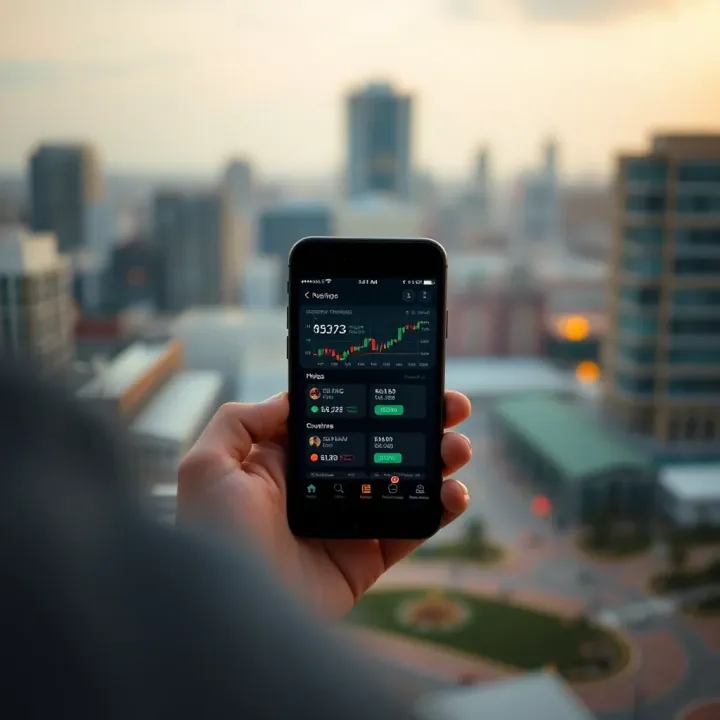
Explore the best forex trading apps in Kenya 🇰🇪. Learn how to choose safe platforms, understand key features, and follow local rules for smart mobile trading 📱💹.
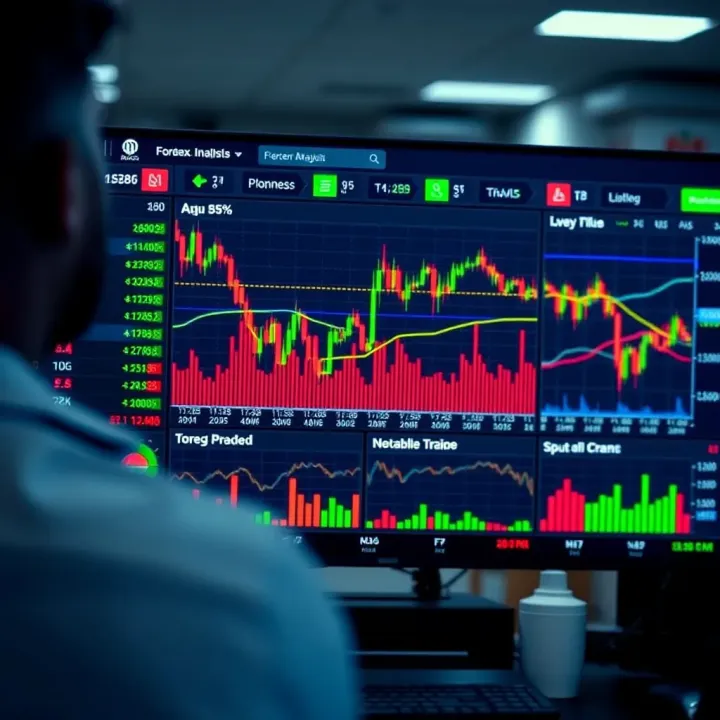
📊 Find the best forex trading platform in Kenya with our detailed guide on security, fees, ease of use, features, and local regulations for all traders.
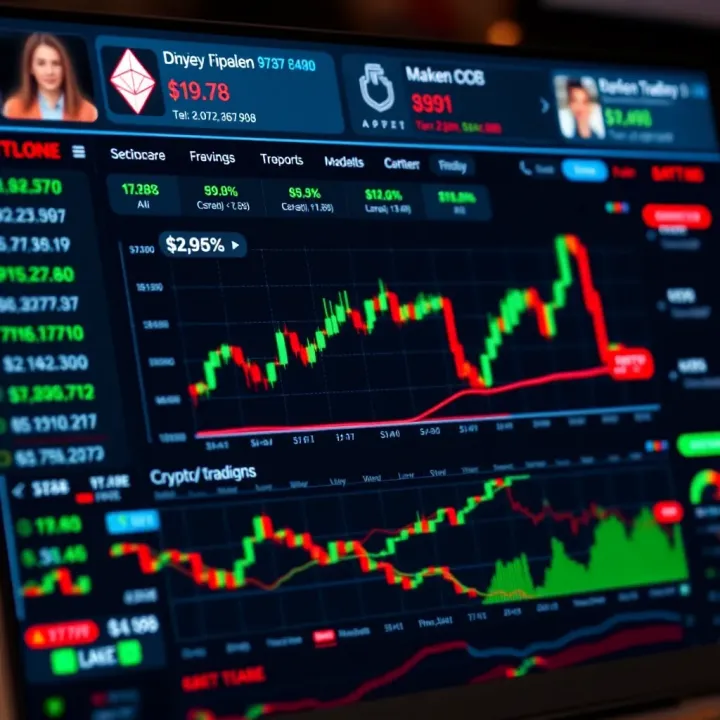
Explore how to choose the right crypto trading platform in Kenya 🔍, with tips on security, fees, regulations, and trusted local options for smooth trading.
Based on 7 reviews