

Understanding Risk Management for Kenyan Businesses
🔍 Learn how Kenyan enterprises can spot risks, assess threats, and use tech tools to protect operations and boost sustainable growth in local markets.
Edited By
James Whitaker
Risk management is about spotting potential problems before they trip you up and taking steps to handle them effectively. For traders, investors, financial analysts, and educators in Kenya, understanding these principles can mean the difference between losses and steady growth.
At its core, risk management involves three key phases: identification, assessment, and response. This approach helps protect assets, maintain business continuity, and support well-informed decisions.
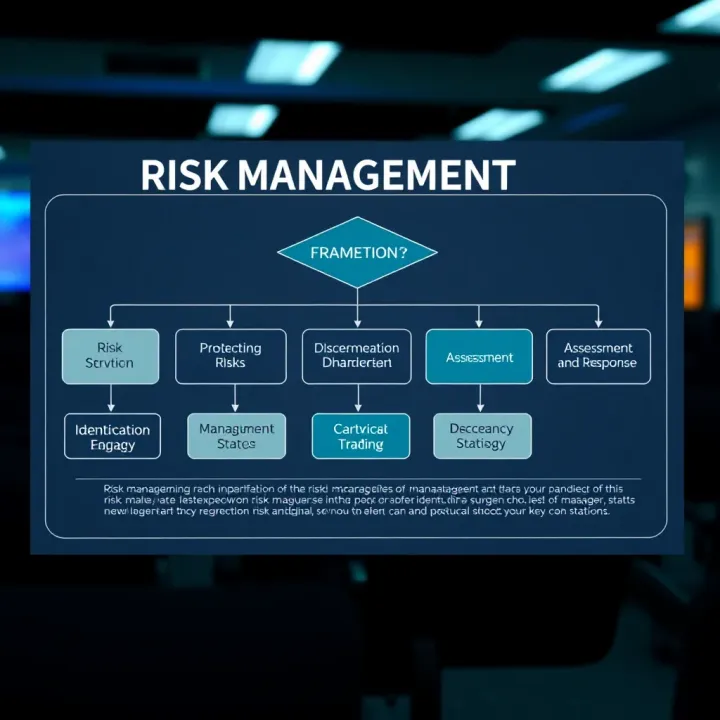
First, know what could go wrong. Risks come in many shapes: market fluctuations, regulatory changes, cyber threats, or even natural events like the long rains affecting supply chains. For example, a small-scale trader in Nairobi might face risks from currency volatility or changes in transport costs due to fuel price hikes.
Once identified, evaluate how likely these risks are and their potential impact on your business or portfolio. Tools like risk matrices or scoring systems help quantify risks. A stockbroker, for instance, may look at a company's financial health, market trends, and political environment in Kenya before deciding the risk level.
After assessment, decide how to handle each risk. Common strategies include:
Avoidance: Steering clear of high-risk investments.
Mitigation: Taking steps to reduce risk, such as diversifying investments across sectors.
Transfer: Sharing risk through insurance or contracts.
Acceptance: Choosing to bear the risk if it’s manageable.
"Effective risk management is less about avoiding risk entirely and more about understanding and planning for it."
For Kenyan institutions, integrating these principles means aligning them with local realities. For example, a company may use weather forecasts and supplier relationships to manage risks caused by the rainy season. Meanwhile, financial institutions might employ robust KYC (Know Your Customer) procedures to reduce fraud risk.
In investments, understanding CMA (Capital Markets Authority) regulations and NSE (Nairobi Securities Exchange) trends is vital. Investors should also keep an eye on changes in CBK monetary policies that affect interest rates and currency value.
By following clear, practical principles and maintaining vigilance, traders and businesses can navigate uncertainty and safeguard their interests successfully.
Grasping what risk management involves is central to safeguarding your business or investment portfolio. It’s about recognising potential threats and preparing to handle them before they snowball into bigger problems. For Kenyan traders and investors, understanding risk management helps in making smarter decisions, whether dealing with market shifts, currency fluctuations, or changing regulations.
The practical benefit is clear: with a solid grip on risk management, you can spot hazards early, allocate resources efficiently, and keep your operation steady even when unexpected events occur. For example, a small agribusiness in Kisumu might face risks from erratic weather patterns, pest outbreaks, or shifts in market demand. Understanding these risks means the business can set up measures like crop insurance or diversify its produce to reduce losses.
Risk management refers to the process of identifying, assessing, and controlling risks that can affect an organisation or individual’s objectives. The main goal is to minimise the impact of negative events and maximise opportunities that come with uncertainty. More than just avoiding danger, it’s about striking a balance that allows growth while protecting assets.
In the Kenyan context, risk management goes beyond big firms; SMEs and even individual investors benefit by structuring plans that protect their capital and ensure long-term sustainability. For instance, a trader dealing in imported goods should manage exchange rate risks and supplier reliability to avoid stockouts or price hikes.
Financial risk involves threats to an organisation’s financial health, such as credit defaults, market fluctuations, or liquidity shortages. For investors on the Nairobi Securities Exchange (NSE), this might mean stock prices dropping due to economic downturns or changes in government policy.
In practical terms, a trader might experience financial risk when a customer delays payment or a supplier increases prices unexpectedly. Effective financial risk management can include maintaining cash reserves, using diversified investment portfolios, or hedging against currency volatility.
Operational risks come from breakdowns in day-to-day business processes, systems, or human errors. In a Kenyan manufacturing firm, this could arise from machinery failure, power interruptions in areas outside Nairobi, or even health and safety breaches.
Such risks disrupt workflow and can result in extra costs and delays. To reduce operational risk, businesses might invest in backup power systems, train staff regularly, or develop emergency response plans. For small-scale traders, losing a boda boda rider due to an accident could mean delayed deliveries and unhappy customers.
Strategic risks are linked to decisions about business direction and market positioning. They can come from poor planning, competitor moves, or shifts in consumer preferences. For example, a company in the jua kali sector focusing solely on metalwork may lose market share if customers start demanding plastic alternatives.
Addressing strategic risks means continuously scanning the market and being ready to adapt. A Nairobi-based startup expanding into new counties without proper market research might face unexpected challenges, highlighting the need for careful strategy formulation and diversification.
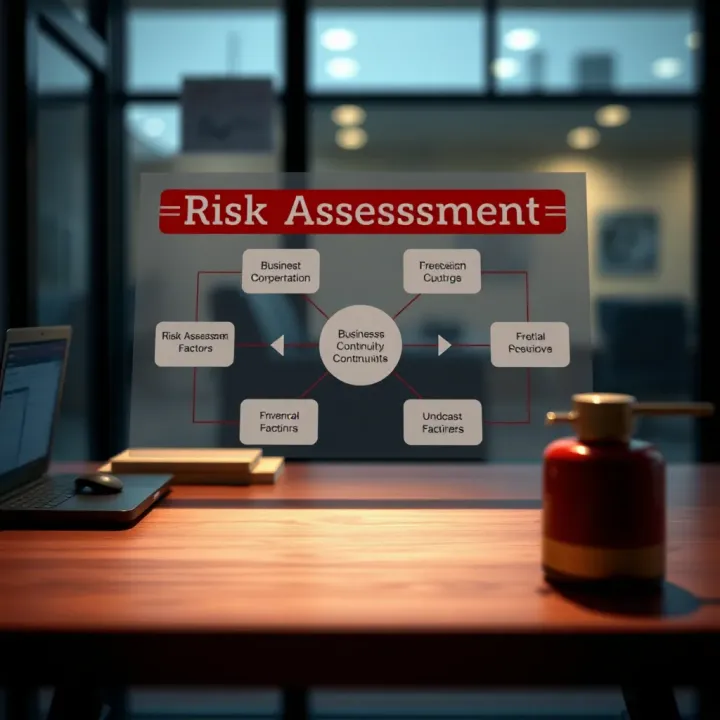
Compliance risks stem from failing to follow laws, regulations, or internal policies. Kenyan businesses must keep up with requirements from KRA, the Capital Markets Authority (CMA), or local county regulations. Non-compliance can lead to fines, licence cancellations, or legal action.
For instance, a financial institution ignoring Central Bank of Kenya guidelines on customer protection faces penalties and reputational damage. Staying compliant involves regular audits, staff training, and maintaining accurate records. Awareness of these risks keeps businesses on the right side of the law and builds trust with customers and partners.
Understanding these categories helps businesses prioritise where to focus efforts and resources, creating a safer, more resilient operation.
By clearly defining your risks and their potential impacts, you build a foundation for effective risk management, protecting your investments and supporting sustained growth in Kenya’s dynamic market environment.
Identifying and assessing risks is a vital step for any trader, investor, or financial analyst aiming to safeguard their assets and make sound decisions. Without pinpointing potential risks, businesses may face unexpected losses or missed opportunities, particularly in dynamic markets such as Nairobi’s stock exchange or regional trade hubs. Through systematic identification and measurement, organisations can prioritise threats and plan accordingly, reducing vulnerability.
Checklists serve as a straightforward way to spot common risks specific to an industry or activity. For instance, a financial firm may use a checklist covering credit risk, liquidity risk, market fluctuations, and operational faults. This approach ensures no typical risk category is overlooked during due diligence, especially for SMEs navigating regulatory environments or fluctuating foreign exchange rates. Checklists are practical because they offer a quick reference but work best when regularly updated to reflect emerging risks.
Brainstorming brings together diverse teams to openly discuss possible risks without constraints. This method taps into collective knowledge and experience, often revealing less obvious threats. For example, a fund manager might gather analysts, compliance officers, and traders to identify geopolitical issues or technology failures that could impact portfolios. Brainstorming encourages creative thinking and cross-departmental engagement, which strengthens overall risk awareness.
SWOT Analysis examines internal and external factors affecting an organisation. By listing Strengths, Weaknesses, Opportunities, and Threats, businesses can clearly separate manageable internal risks from external challenges. A Kenyan agricultural exporter, for example, might identify supply chain weaknesses and foreign market threats while recognising its strength in quality produce. SWOT offers a balanced view that aids in strategic risk planning.
Consultation with Stakeholders involves engaging clients, suppliers, regulators, and employees to gather insights into risk areas based on firsthand experience and expectations. For instance, a banking institution may discuss with its compliance team and customers to understand emerging fraud risks or service delays. This approach builds a shared understanding of risks and often uncovers concerns missed by internal teams alone.
Qualitative Assessment uses descriptive categories like high, medium, and low to evaluate risks based on expert judgement or experience. While it lacks precise numbers, qualitative methods help quickly flag serious threats requiring urgent action. For example, an investment firm might label a new regulation as a high risk due to its potential operational impact, even before exact financial losses can be estimated.
Quantitative Assessment relies on numerical data and statistical models to estimate the probability and potential financial impact of risks. A stockbroker might use historical price data and volatility measures to quantify market risk, enabling more objective portfolio adjustments. Though more detailed, this method requires reliable data and expertise, which might limit its use for smaller businesses.
Risk Probability and Impact focus on two key dimensions: how likely a risk event is to occur and the severity of its effect if it does. Visual tools like risk matrices are often used to map risks for clarity. For example, risks that score high on both probability and impact demand priority mitigation, such as exchange rate swings affecting import costs for manufacturers. Understanding these factors helps optimise resource allocation for risk management.
Systematic risk identification and assessment form the backbone of resilient financial strategies and operational practices. Ignoring this phase is akin to sailing without a compass in Kenya’s fluctuating economic environment.
By applying these techniques, organisations can build a foundation to manage risks effectively, protect investments, and maintain continuity amid uncertainties common to the Kenyan financial landscape.
Effective risk management isn’t just about ticking boxes or following processes; it’s about embedding clear principles that make risk part of everyday decision-making. These principles guide organisations to identify potential threats early, respond timely, and protect themselves from significant losses. For traders and investors, a solid framework ensures that risks are not only recognised but also managed in ways that support business growth and resilience. Practical benefits include better resource allocation, stronger compliance with regulations, and improved trust among stakeholders.
Embedding risk management into the very fabric of an organisation’s culture means everyone from the CEO down to the junior staff understands and values its role. It shouldn’t be a siloed function relegated to risk officers alone. For example, in a Nairobi-based bank, frontline staff spotting unusual transactions report them immediately because risk awareness is part of their routine. Creating such a culture requires clear communication, regular training, and leadership that sets expectations. When risk management is everyone’s business, the organisation avoids surprises and tackles challenges swiftly.
Assigning specific roles for risk management tasks reduces confusion and ensures issues get addressed promptly. Organisations should define who owns which risk and who is accountable for monitoring or mitigating it. For instance, a manufacturing firm might designate a safety officer responsible for workplace hazards, while the finance manager monitors credit risks. Accountability also means outcomes are tracked and reviewed—no finger-pointing if a risk materialises, but rather constructive lessons for the future. This clarity supports swift action and stronger performance.
Risks are rarely static. Market dynamics, regulatory environments, and internal operations change, affecting risk levels. Therefore, consistently monitoring risks and reviewing control measures is essential. Consider a Kenyan agri-business dealing with variable weather: ongoing monitoring of seasonal forecasts and soil conditions allows adjustment of planting schedules and irrigation to reduce losses. Regular reviews detect gaps in risk controls early and ensure strategies align with evolving realities, supporting long-term stability.
Waiting for risks to happen before acting can cost dearly. Organisations benefit greatly from anticipating risks and taking preventive actions to minimise impact. A trader, for example, might hedge foreign exchange exposure through appropriate financial instruments rather than waiting for currency fluctuations to hit profits. By being proactive, organisations reduce the likelihood of crises and often lower costs related to risk events. Early warning systems, scenario planning and investing in risk-aware technologies all help build this preventive stance.
Handling risk effectively means knowing your risks well, acting on time, and making risk management part of daily operations. Only then can organisations thrive amid uncertainty.
By grounding risk management in these principles, Kenyan businesses and investors can protect their assets better and steer confidently through complex environments. Building a strong risk management culture improves decision-making and promotes resilience despite market ups and downs.
Responding to risks is where strategy turns into action, making it a crucial part of risk management. After identifying and assessing risks, organisations must decide how to deal with them effectively to protect their assets and keep operations steady. Whether a risk threatens financial health, reputation, or compliance, having clear strategies helps reduce potential harm and supports smooth decision-making.
Risk avoidance means steering clear of activities that could expose an organisation to unnecessary risks. For example, a trader might avoid investing in volatile sectors during unstable economic periods. However, outright avoidance isn’t always possible or practical. Instead, risk reduction involves implementing measures to lessen the chance or impact of risks. In Kenyan agribusiness, for instance, farmers often adopt drought-resistant crops and use insurance to reduce losses caused by unpredictable weather. These steps don’t eliminate risk completely but help bring it to manageable levels.
Insurance is a common way to transfer risk. Organisations pay a premium to insurance companies, which then cover certain losses if risks materialise. In Kenya, businesses often use asset and liability insurance to cushion themselves against fire damage, theft, or legal claims. For instance, a manufacturing company in Nairobi might insure its factory equipment against breakdowns to avoid bearing the entire repair cost. Insurance shifts the financial burden away from the organisation, providing peace of mind and financial predictability.
Forming partnerships can also spread risk. Sharing responsibilities with another entity allows businesses to pool resources and expertise, reducing individual exposure. A small Kenyan fintech startup might partner with a more established bank to share the risks of launching a new mobile payment solution. By doing so, both parties absorb the risks proportionally, and the startup benefits from the bank’s infrastructure and client base, reducing its own market risks.
Outsourcing certain functions can help transfer operational risks to specialist providers. For example, a Kenyan retailer might outsource its logistics to a company that specialises in transport and delivery across the country. This lowers the retailer's direct exposure to delivery delays, accidents, or regulatory compliance issues. However, outsourcing requires careful selection and monitoring of vendors to ensure risks don’t shift but multiply due to poor management.
Sometimes, organisations choose to accept certain risks either because the cost of mitigation is too high or the likelihood of occurrence is low. This calls for effective contingency planning—preparing a response if the risk happens. Traders in Nairobi’s Central Business District might accept currency fluctuation risks but have plans to hedge through forward contracts or diversify their portfolio. Contingency plans help minimise disruption by setting clear steps to follow during crises, keeping the organisation resilient.
Responding to risks involves balancing different strategies based on specific circumstances, resources, and organisational goals. Effective responses build stronger businesses able to adapt and thrive, even when risks are unavoidable.
Risk management in Kenya is critical given the unique regulatory landscape, economic conditions, and industry-specific challenges. Without a proper framework, businesses face unexpected disruptions, financial losses, or legal issues that could threaten their survival. Implementing risk management tailored to local realities enables organisations to protect their assets and capitalise on opportunities while meeting compliance demands.
Kenya has a robust set of regulations that guide organisational operations, especially in sectors like finance, manufacturing, and agriculture. The Capital Markets Authority (CMA), Kenya Revenue Authority (KRA), and the Central Bank of Kenya (CBK) set clear rules on reporting, financial disclosures, and risk controls. Understanding these rules helps businesses avoid penalties and limits reputational damage.
For example, financial institutions must comply with Anti-Money Laundering (AML) and Know Your Customer (KYC) regulations, meaning risk management extends beyond just financial risks to compliance risks. Likewise, companies handling personal data need to respect the Data Protection Act, which influences risk assessment around information security. Kenyan firms should continually review evolving regulations to adjust their risk strategies accordingly.
Technology has transformed risk management in Kenya by providing tools for faster data analysis, improved forecasting, and real-time monitoring. Platforms like M-Pesa, mobile banking, and cloud computing help track transactions and detect anomalies that signal emerging risks. For instance, many banks use software that flags unusual customer activity, reducing fraud risks.
Moreover, agricultural firms employ weather prediction apps and drone surveillance to manage climate risks and pests, significantly reducing losses. Local startups develop risk assessment tools tailored to Kenyan SMEs, helping sectors traditionally underserved to implement basic controls. Thus, technology bridges gaps in capacity and accessibility, making risk management more proactive and data-driven.
Kenya's financial sector is among the most advanced in Africa, but it faces complex risks ranging from currency volatility to cybercrime. Banks and investment firms use integrated risk management systems to monitor market fluctuations, credit risks, and operational threats such as cyber-attacks. They also collaborate with regulators to ensure compliance with Basel III standards and other international norms, which builds investor confidence.
Microfinance institutions, which serve a large part of the population, apply risk scoring models to assess borrower credibility. This prevents bad debts and helps stabilise the sector. Overall, the financial sector illustrates how combining regulation, technology, and tailored strategies improves resilience.
Agriculture, a backbone of Kenya’s economy, is highly exposed to weather unpredictability and pests. Farmers and agribusinesses adopt risk management by diversifying crops, using drought-resistant seeds, and practising sustainable farming methods. Some counties have introduced insurance schemes subsidised by government and partners, helping farmers to recover from losses due to floods or drought.
Technology like mobile-based advisory services informs farmers of weather forecasts, pest threats, and market prices, enabling timely decisions. This risk-aware approach boosts productivity and incomes, especially for small-scale and rural farmers.
The jua kali sector is informal and fragmented but vital for employment and innovation. Risk management here is often informal but gaining traction through associations and cooperatives that provide mutual support and training on safety standards.
For example, artisans in Nairobi’s Gikomba market use mobile money for secure transactions and record-keeping, reducing theft and financial risks. Training on occupational health reduces accident-related risks common in informal workshops. Encouraging formal registration and access to affordable insurance can further shield jua kali operators from unexpected shocks.
Effective risk management in Kenya hinges on recognising local laws, leveraging technology, and adapting to sector-specific realities. Organisations that align their risk strategies with these factors improve their chances of sustainable growth and success.
🔍 Learn how Kenyan enterprises can spot risks, assess threats, and use tech tools to protect operations and boost sustainable growth in local markets.

📊 Explore how Kenyan businesses can handle financial, operational, and reputational risks with insurance, diversification, and clear contingency plans to stay safe and flexible.
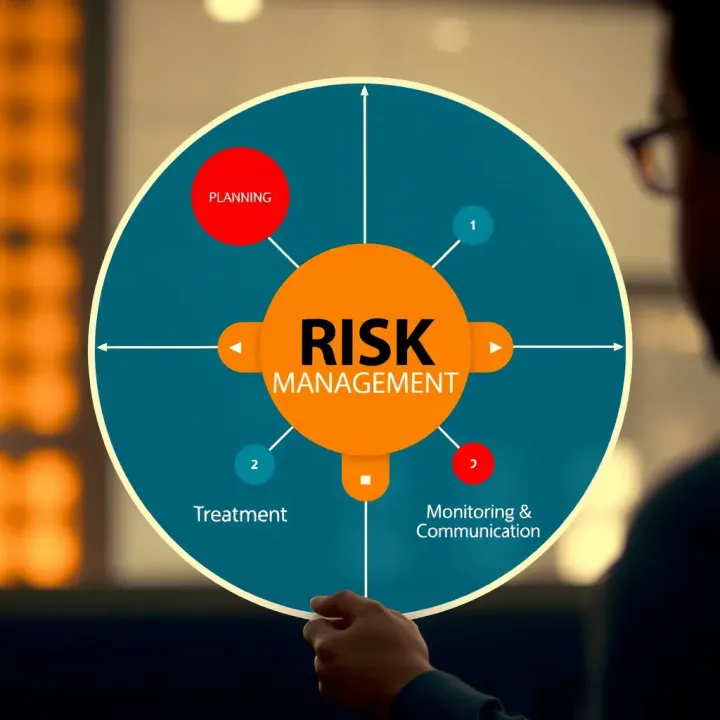
Learn how Kenyan businesses manage risks through planning, identification, analysis, treatment, monitoring, and communication to protect operations effectively. 📊🔍
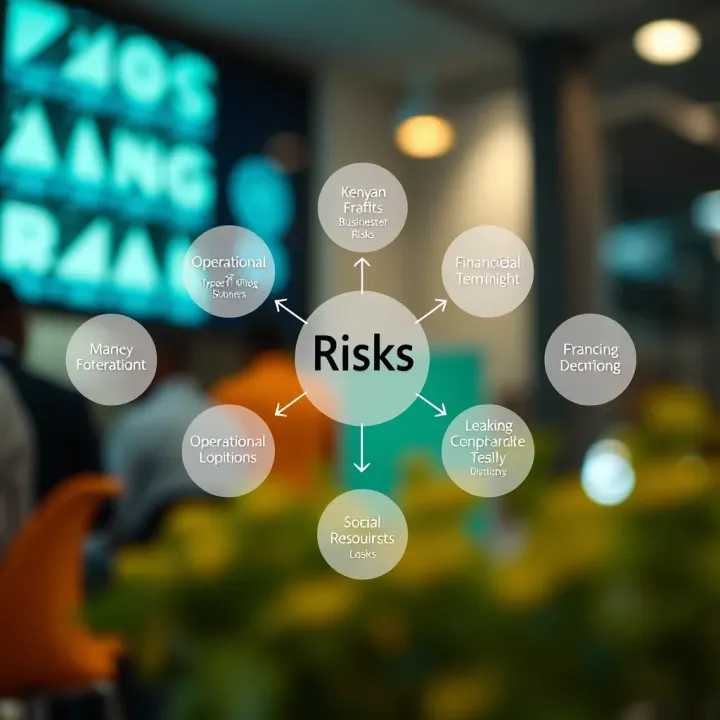
📊 Learn how Kenyan businesses can spot, evaluate, and manage risks to protect operations and finances effectively. Tools, benefits, and practical tips included.
Based on 14 reviews