
Forex Trading for Beginners in Kenya
📈 Learn forex trading basics for Kenyans: how the market works, start-up steps, risk tips, and practical advice to trade confidently and avoid common mistakes.
Edited By
Laura Morgan
Forex trading has become a popular way for Kenyans to engage with the global financial markets. With the rise of digital platforms and mobile internet access, many people now want to learn how to trade currencies without committing large sums upfront. This is where free forex trading courses come in handy, offering an entry point for beginners to understand the basics and develop practical skills.
This guide explains how you can start your forex trading journey using free resources tailored for Kenyan learners. It covers what forex trading involves, highlights reputable platforms providing free courses, and shares tips on how to practise effectively while managing risk.
Learning forex through free courses gives you the chance to explore the market without financial pressure. Many paid courses assume prior knowledge, but beginner-friendly free courses break down concepts like pips, leverage, and currency pairs in an easy-to-follow manner. Besides, free courses often feature simulated trading accounts that let you practise without losing real money.
A good free forex trading course should cover:
Basic terminology: Understanding currency pairs, base and quote currencies
How the forex market operates: 24-hour trading cycles, market sessions
Reading charts: Candlestick patterns, support and resistance levels
Risk management: Setting stop-loss orders, managing leverage
Trading strategies: Scalping, day trading, swing trading basics
Several platforms provide quality free forex education accessible from Kenya:
Investopedia: Offers comprehensive forex tutorials and quizzes
Babypips: Known for its friendly approach and structured lessons
XM Forex: Provides free webinars and market analysis
Many Kenyan brokerages also offer free educational materials and demo accounts so you can practise with virtual funds.
Starting with free courses lets you test the waters, build confidence, and avoid costly mistakes common among uninformed traders.
Open a demo trading account to implement what you learn
Track your trades to analyse what works and where you slip
Test different markets and times to find your style
Always apply risk controls, never risking more than 1-2% of your capital per trade
In the next sections, we will explore how to pick the best free forex course, detailed trading tools, and important considerations for Kenyan traders who want to grow steadily in forex markets.
Grasping the basics of forex trading is foundation for anyone keen to succeed in this market. Understanding what forex is, how it operates, and the essential terms involved helps you make informed decisions and avoid costly mistakes. This section breaks down the key concepts to give you practical confidence before diving in.
Forex trading, simply put, is the buying and selling of currencies from different countries. For example, when you exchange Kenyan shillings (KES) for US dollars (USD), you are participating in forex trading. This takes place on international markets where currencies fluctuate in value against each other.
Currencies are traded globally through a network of banks, brokers, and financial institutions in an over-the-counter (OTC) market, meaning there's no physical exchange. Instead, deals happen electronically 24 hours a day during weekdays, moving from Asia to Europe and then to the Americas. This global system ensures you can trade forex anytime from Nairobi or any other city.
The forex market plays a vital role in the economy by enabling importers, exporters, investors, and governments to convert one currency into another. For instance, a Kenyan exporter paid in dollars would swap that for shillings to cover local expenses. The market's liquidity and size influence exchange rates, which affect prices of goods, inflation, and economic policies in all countries.
Currency pairs are the backbone of forex trading. They show how one currency compares to another, like USD/KES or EUR/USD. The first currency is called the base currency, and the second is the quote currency. If USD/KES trades at 110, it means one US dollar buys 110 Kenyan shillings. Understanding pairs helps you know what you are buying and selling.
A pip is the smallest price move in a currency pair, usually the fourth decimal place, such as a change from 1.2345 to 1.2346. Traders measure gains and losses in pips. A lot represents the quantity of currency, commonly 100,000 units for a standard lot. Smaller lots, like mini or micro lots, allow you to trade with less capital.
Leverage lets you control a larger trade size with a small deposit, called margin. For example, with 1:100 leverage, KSh 1,000 can trade KSh 100,000 worth of currency. While leverage can boost profits, it also increases risk. Managing margin requirements is essential for protecting your capital.
Spread is the difference between the buying (ask) and selling (bid) price quoted by brokers, while commissions are additional fees some brokers charge per trade. Lower spreads and commissions mean lower trading costs, improving your chances of making a profit in this highly competitive market.
Mastering these basics sets you up to understand more advanced forex strategies and manage your trades confidently in the Kenyan context.
Knowing where to find trustworthy and free forex trading courses is a key step for beginners in Kenya. Such courses provide foundational knowledge without costing you a shilling, helping you avoid costly mistakes later. Picking a reliable source also means learning correct methods rather than myths or risky shortcuts.
Many popular websites and forex brokers offer free courses tailored to new traders. Platforms like BabyPips, Investopedia, and some brokers such as XM or Pepperstone provide structured lessons starting from basic concepts through to intermediate strategies. These platforms are useful because they combine theory with interactive elements like quizzes and demo account links, giving practical learning options.
When choosing these free courses, look for clear explanations, updated content, and interactive tools. Courses should cover essential topics like currency pairs, risk management, and trading psychology. Avoid courses that promise quick riches or lack depth, as these rarely prepare you properly.
To check if a course is credible, research the platform's history and reviews. Trusted broker websites are usually regulated and transparent, indicating reliability. You can also verify whether the course content aligns with global forex standards covered by recognised bodies such as the Capital Markets Authority (CMA) Kenya.
Besides online sources, Kenyan forex trading forums and WhatsApp groups play an important role. These communities offer peer support where traders share real experiences and advice in local contexts. Forums such as Forex Peace Army or local Facebook groups dedicated to Kenyan traders help beginners ask questions and receive immediate feedback.
Local workshops and webinars are often organised by brokerages or financial education centres in Nairobi and other towns. These events provide a chance to learn face to face, clarify doubts directly with experts, and network with fellow traders. They also focus on Kenya-specific aspects like tax implications and regulated brokers.
Social media platforms, especially YouTube and Twitter, have become powerful forex education tools. Several Kenyan forex trainers and analysts post free tutorials, market analyses, and tips that beginners can access anytime. Following reputable local experts ensures you get relevant updates alongside motivational guidance.
Joining multiple learning points—online courses, community groups, and live events—offers well-rounded forex education. It keeps you informed, connected, and better prepared to trade with confidence in Kenya’s growing forex space.
Mastering core skills and strategies is vital before stepping into live forex market trading. Free courses often lay a solid foundation by focusing on these essentials. Understanding technical analysis, managing risks, and developing a clear trading plan prepares you for real challenges and protects your capital.
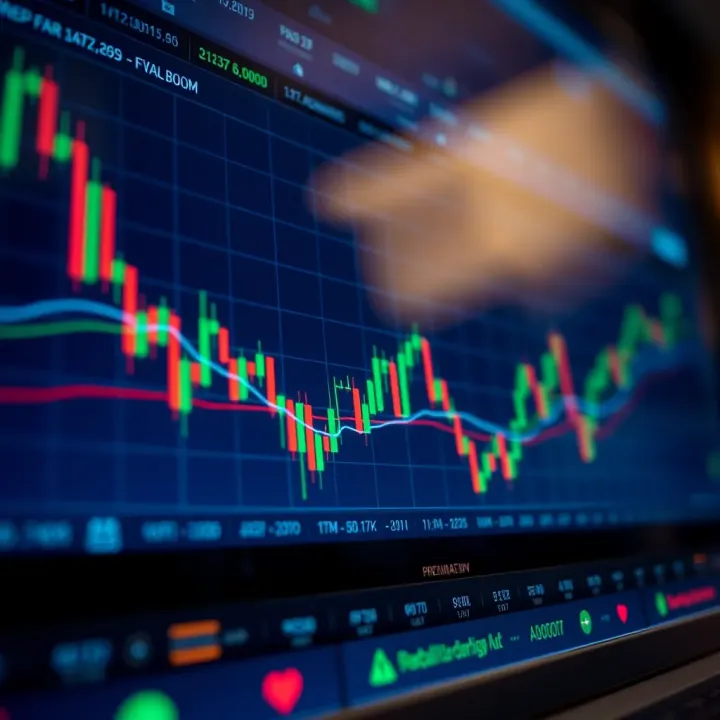
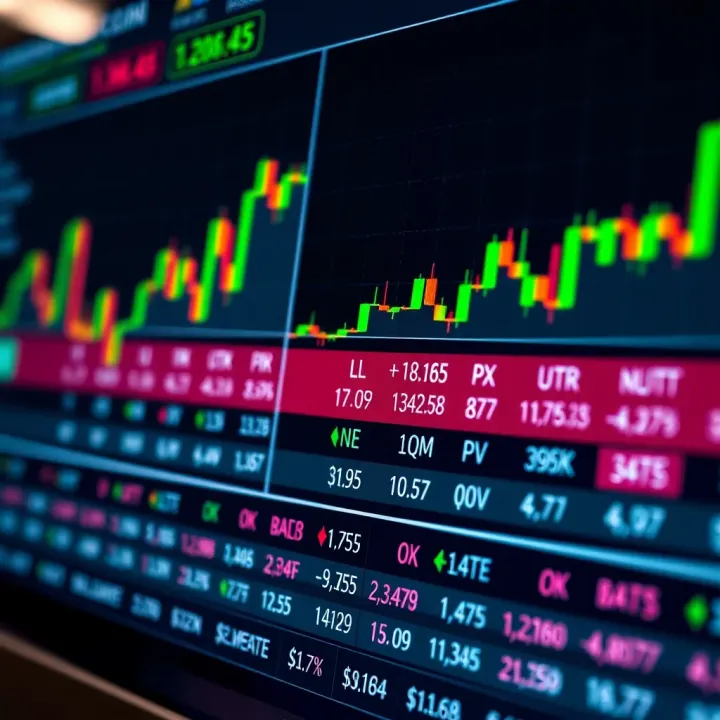
Reading charts and price action is the backbone of forex trading. Charts show price movements over time, giving you a snapshot of market trends. Price action refers to how prices change and react to support and resistance levels. For example, noticing that a currency pair consistently bounces back at KSh 110 might signal a support level. This knowledge helps traders decide when to enter or exit trades without relying solely on guesswork.
Using indicators and tools supplements chart reading by highlighting trends or potential reversal points. Common tools like the Moving Average or Relative Strength Index (RSI) help smooth out market noise and reveal momentum. If the RSI shows a currency is overbought, a trader might wait for a better entry point. Free courses teach how to combine different indicators effectively, so you avoid getting swayed by false signals.
Setting stop-loss and take-profit orders allows you to control losses and lock in gains automatically. For instance, if you buy a currency at KS00, placing a stop-loss at KSh98 limits potential loss to KS. Without stop-loss, emotions can push you to hold losing trades too long. Take-profit locks gains when the price hits your target, so you don’t miss out if the market reverses.
Managing leverage and position size is equally important. Leverage lets you control larger trades with smaller capital, but excessive leverage magnifies losses. If you use 10:1 leverage on KS0,000, your actual exposure is KS00,000. Free courses teach how to calculate safe position sizes based on your account balance, reducing the risk of blowing your capital in one trade.
Choosing trading timeframes depends on your style and availability. Day traders might watch 5-minute or 15-minute charts to catch quick moves, while swing traders focus on daily charts for longer trends. Picking a timeframe helps you stay consistent and avoid overtrading in the hustle of short-term price changes.
Building discipline and emotional control distinguishes successful traders from the rest. Sticking to your plan, avoiding impulsive trades after losses, and controlling greed prevent costly mistakes. A disciplined trader notes when to pause trading to review mistakes and recharge mentally, which free courses often stress through practical examples.
Developing these core skills and strategies sharpens your trading edge. They help you trade systematically and with confidence, not just hope for the best. Free forex courses tailored to Kenyan beginners are a smart place to start building these essential abilities.
Practising forex trading without risking your money is essential for any beginner. This approach helps you build skills and confidence without the worry of losing cash, especially when starting in a market as fast-moving and complex as forex. Demo accounts and performance tracking tools are practical ways that Kenyan traders can safely gain experience before committing real funds.
Demo trading accounts are virtual platforms that simulate real forex markets using virtual money. Setting up these accounts with regulated brokers is straightforward: after registration, you get access to the same tools and charts used in live trading. For instance, popular brokers like HotForex and FXPesa offer free demo accounts that mirror the actual market conditions.
Using a demo account helps you understand how currency pairs move, how trades are executed, and how to apply basic strategies. It’s important to treat demo trades as if they were real money to develop good habits. For example, if you over-leverage or ignore risk management in a demo, you might carry those mistakes to live trading.
Simulating live market conditions means using tools within the demo to mimic real situations. Good demo accounts update prices in real-time and allow placing orders just like a live environment. This helps you experience market volatility and test how your strategies perform. It also familiarises you with execution delays or slippage, which can affect your results.
Actively practising with a demo account over some weeks allows you to get a feel for market rhythms common in different time zones, something valuable for Kenyan traders who may trade during Asia or Europe sessions. This hands-on experience is vital before risking capital.
Keeping a trading journal is a simple but powerful way to improve. Document every trade: entry price, exit price, strategy used, results, and emotions felt during the trade. For example, note if you felt anxious during a dip or rushed into a trade. This self-awareness helps identify behavioural patterns affecting your decisions.
Writing down insights from each session allows you to revisit and learn from errors or successes. If you notice that impatience leads to early exits, you can work on patience in future trades. Some Kenyan traders use spreadsheets or dedicated trading journal apps to keep this record organised.
Reviewing your performance regularly means setting weekly or monthly check-ins to assess your trading record. Look for consistent mistakes like ignoring stop-loss levels or overtrading. Assess your overall profitability trends and adjust your trading plan accordingly.
This practice prevents repeating costly errors and helps you make informed improvements. Even professional traders review their journals frequently to stay disciplined and sharp. For beginners in Kenya, this habit nurtures a growth mindset necessary to succeed in forex.
Practising without risking real money, using demo accounts and solid record-keeping, gives you an edge by letting you learn from mistakes without setbacks. It builds the foundation needed to trade confidently when you go live.
Transitioning from free forex courses to actual trading is a significant step for any Kenyan beginner. While free courses provide foundational knowledge, real trading tests your understanding in live market conditions. This move requires careful planning, particularly in choosing a reliable broker and managing your capital wisely.
The Capital Markets Authority (CMA) is the regulatory body overseeing forex brokers in Kenya. Its main role is to protect traders by ensuring brokers operate transparently and follow strict rules. When choosing a broker, it's essential to verify if they are licensed by CMA. A CMA-regulated broker has to adhere to capital requirements, fair trading practices, and provide dispute resolution mechanisms. For example, brokers like FXPesa are CMA licensed, offering Kenyan traders a safer trading environment.
One key benefit of trading with a CMA-regulated broker is the safety of your funds. Regulated brokers usually keep client money in segregated accounts, reducing the risk of mishandling. Furthermore, they offer clear trading conditions such as fixed spreads and transparent commissions. This clarity helps avoid surprises that may drain your trading funds, especially when volatility strikes. For instance, knowing your leverage cap and margin requirements upfront helps prevent sudden margin calls.
Starting with a modest amount of money is wise, especially if you are new to forex trading. Consider setting aside money you can afford to lose without affecting your day-to-day life. For most Kenyans, this might mean beginning with as low as KSh 10,000 to KSh 20,000, depending on your comfort level. Proper budgeting helps create realistic expectations and promotes disciplined trading. Think of it as your first matatu fare before you can afford a taxi ride.
Once you feel confident in your trading skills and have consistently made profits, you can gradually increase your trading capital. Avoid rushing to commit large sums early on, as this often leads to emotional mistakes and significant losses. Increase your trading funds step-by-step—perhaps doubling your capital only after achieving steady results over several months. This cautious scaling protects your earnings and builds financial resilience.
Always verify your broker’s credentials with CMA Kenya before starting and keep your trading budget manageable. With patience and discipline, moving from free courses to real trading can become a rewarding experience.
📈 Learn forex trading basics for Kenyans: how the market works, start-up steps, risk tips, and practical advice to trade confidently and avoid common mistakes.
📊 Learn forex trading basics, risk management, and local tips in Kenya. Get practical steps with a downloadable PDF guide to start trading confidently today!
📈 Learn forex trading basics, key concepts, risk tips, and step-by-step guidance for Kenyan beginners. Get your practical tutorial PDF and start trading with confidence today.
📈 New to binary forex trading in Kenya? Learn the basics, key terms, risks, and tips to trade smart and stay safe. Start your journey with confidence!
Based on 11 reviews