
How to Start Forex Trading in Kenya: A Beginner's Guide
Start your forex trading journey in Kenya with clear steps on setting up accounts, choosing trusted brokers, managing risk & using M-Pesa 💹💼
Edited By
Oliver Grant
Trading forex in Kenya has grown significantly as more investors look to diversify beyond traditional asset classes. To get started, opening a forex trading account is the first step towards accessing the global currency markets. Unlike opening a regular bank account, a forex account requires some specific actions and documents tailored to the financial regulations and broker requirements here in Kenya.
Before you start, it’s good to know what’s involved. You’ll need to select a regulated forex broker that serves Kenyan clients, prepare identification and financial documents, and understand the local rules around forex trading. This will ensure your trading is safe, compliant, and operates on a reliable platform.
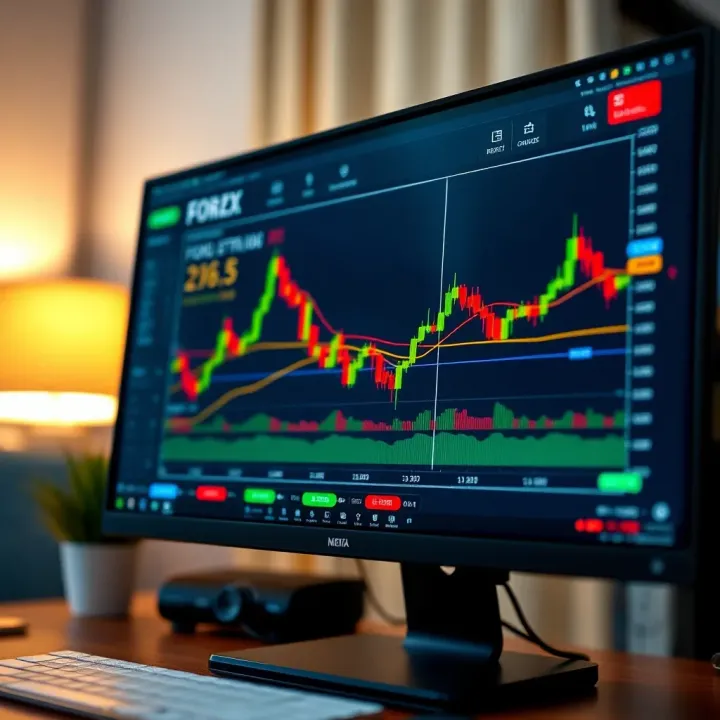
Opening a forex trading account isn’t just about filling out forms. It’s about choosing the right broker, verifying your identity, and setting up payment methods that suit your trading style.
Many Kenyan brokers or international brokers with a foothold here support easy account registration through online portals. You typically provide scanned copies of your national ID or passport, proof of address like a utility bill, and sometimes income proof, especially if you plan to trade large amounts.
The process often includes a risk disclosure that highlights how volatile forex trading can be, plus agreement to broker terms. Once your application is approved and your deposit cleared, you can start trading on platforms like MetaTrader 4 or 5, which are popular in Kenya.
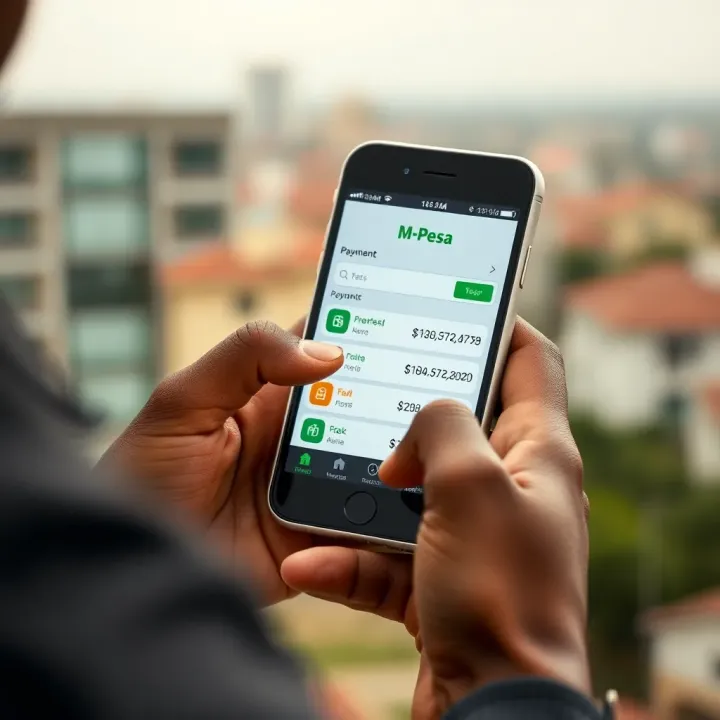
You’ll also want to consider the deposit method—many brokers accept payments through M-Pesa or bank transfers, allowing for smooth fund management locally.
In the sections ahead, we will break down key steps such as choosing a trustworthy broker, preparing documents, completing registration, and funding your account. By following these steps carefully, you can begin trading forex confidently and within Kenya’s clear regulatory framework.
Choosing a reliable forex broker is the first step to successful trading in Kenya. With so many options available, selecting the right one ensures your investments remain safe, fees stay reasonable, and trading conditions suit your style. A good broker provides the tools and support Kenya-based traders need for confident participation in the forex market.
Importance of Licensed Brokers
Trading through a licensed broker protects you from fraudulent schemes and unsecured transactions. Licensed brokers must adhere to standards that promote transparency and fairness. For instance, proper licensing demands that brokers keep client funds in separate accounts, reducing the risk of loss if the broker faces financial trouble. Without this safety net, traders risk losing both capital and earnings.
Kenyan Regulatory Bodies and Their Role
The Capital Markets Authority (CMA) Kenya regulates forex brokers operating within the country. It ensures brokers meet licensing requirements, follow compliance rules, and operate transparently. While many brokers might be foreign, Kenyan authorities recommend using CMA-regulated brokers or those licensed by respected global regulators. The CMA's role is vital in enforcing investor protections and maintaining market integrity in Kenya.
Spread, Commission, and Leverage Options
Broker fees directly affect your profitability. The spread is the difference between buying and selling prices; tighter spreads typically benefit traders by lowering costs. Some brokers charge commissions per trade, which can add up fast, especially for frequent traders. Leverage options allow you to control larger positions than your deposit, but high leverage raises risks. For example, a 1:100 leverage means KSh 1,000 controls KSh 100,000 worth of currency, which can magnify both gains and losses.
Account Types and Minimum Deposit
Forex brokers often offer different account tiers with varied features and deposit amounts. For beginners, micro or mini accounts with low minimum deposits (around KSh 5,000 to KSh 20,000) are ideal to test waters without risking big sums. Advanced traders may prefer standard or premium accounts with higher deposits but better spreads and additional perks like personalised support or exclusive tools.
Popular Platforms like MetaTrader 4 and 5
MetaTrader 4 (MT4) and MetaTrader 5 (MT5) dominate Kenya’s forex scene due to their user-friendly interface, analytical tools, and customisable options. MT4 remains preferred for its simplicity, while MT5 offers extra features like improved charting and more order types. Most brokers provide access to these platforms, making it convenient to switch brokers without relearning trading software.
Mobile Trading and Local Connectivity
Given Kenya’s high mobile usage, brokers supporting mobile platforms offer great flexibility. Apps for Android and iOS allow traders to monitor markets, place orders, and manage accounts on the go. However, robust internet connections remain necessary to avoid glitches, especially during volatile periods. Brokers with localised servers or partnerships often provide smoother trading experiences and faster execution for Kenyan clients.
When choosing a forex broker, prioritise those regulated by trusted authorities, transparent about fees, and offering platforms you find easy to use. This foundation helps you focus on trading strategy without worrying about back-end issues.
In short, pick a broker that balances safety, cost-effectiveness, and convenience to suit your individual needs and trading goals in Kenya.
Before opening a forex trading account in Kenya, you need to understand the necessary account requirements and documentation. These elements ensure compliance with Kenyan regulations and help protect you as a trader. Clear identification and proper paperwork also speed up account approval by brokers.

A valid identification document, such as a Kenyan national ID or a passport, is mandatory to open a forex trading account. Brokers require these documents to verify your identity, preventing fraud and money laundering. For instance, using a genuine ID card allows the broker to confirm your age and nationality, making the account legitimate.
Many brokers ask for scanned copies uploaded during registration. Without these, your application may be delayed or rejected. Even if you have a passport, keeping a Kenyan ID handy makes verification smoother for local investors.
Providing proof of residence demonstrates that you reside within Kenya’s jurisdiction. Common accepted documents include utility bills, bank statements, or official government letters dated within the last three months. For example, a recent electricity bill addressed to your home confirms your residency.
This proof helps brokers comply with Anti-Money Laundering (AML) rules and ensures communication channels with you remain effective. Without proof of residence, platforms may hesitate to activate your account, especially when dealing with local currency funding via M-Pesa or bank transfers.
Your Kenya Revenue Authority (KRA) Personal Identification Number (PIN) is crucial for tax purposes. Forex brokers in Kenya require this PIN to comply with tax regulations and report earnings where necessary. It ties your trading activities to your tax profile and prevents misuse of the tax system.
For example, when you open an account and deposit funds, the broker might report your earnings or losses to tax authorities, using your KRA PIN. This step ensures transparency and protects you from potential future disputes over undeclared income.
Any profits you make from forex trading are subject to income tax under Kenyan law. You must declare these earnings when filing your annual returns using platforms like iTax. Forex trading does not have special tax exemptions, so your profits are considered regular income.
To stay on the right side of the law, keep thorough records of your trades, deposits, and withdrawals. This documentation will simplify your tax filing and support any claims for deductions or losses. Brokers sometimes provide yearly statements summarising your trading activities to help with tax compliance.
Remember, meeting documentation requirements not only speeds up your account opening but safeguards you from regulatory complications down the road.
Opening and funding a forex trading account is the bridge between your desire to trade and actually participating in the markets. This stage involves accurate data entry, document verification, and moving money into your account—each step critical for a smooth start. In Kenya, where online services are widespread, understanding these steps helps you navigate the process without waste of time or resources.
When registering online, you’ll first provide personal details such as your full name, date of birth, and contact information. Financial information comes next, often asking about your income level, employment status, and trading experience. This data is practical because it helps the broker comply with regulatory requirements and tailor account options to your trading profile. For example, a broker may suggest different leverage levels or account types depending on your financial background.
Choosing your account preferences includes selecting the account currency, leverage ratio, and type of trading account (standard, mini, or micro). In Kenya, many traders opt for USD or KSh as their account currency to reduce conversion fees. Setting leverage appropriately is vital—it affects potential gains and losses. Smaller leverage suits beginners by limiting risk, while experienced traders may take more aggressive positions. Making thoughtful choices here provides control over your trading style and risk appetite.
Verification typically requires submitting scanned copies of your identification (like a Kenyan national ID or passport) and proof of residence (a recent utility bill or bank statement). This procedure confirms your identity and prevents fraud. Brokers use this information to comply with Know Your Customer (KYC) and anti-money laundering (AML) regulations. Skipping or delaying this step may result in account limitations or blockage, so it’s wise to prepare and upload clear, legitimate documents in advance.
Once you submit your documents, brokers usually take between 24 to 72 hours to review and approve your account. Some fast-track services exist, but timing depends on broker efficiency and document clarity. Kenyan traders should expect this waiting period before attempting to fund or trade. Knowing this helps you plan, especially if you aim to trade during specific market conditions.
Most brokers accept multiple payment methods suitable for Kenyan users. M-Pesa stands out as the most convenient and preferred option due to its wide availability and quick processing times. Bank transfers also work but can take longer and sometimes incur higher fees. Credit and debit cards offer instant funding but may involve currency conversion costs. Understanding these options helps you choose the most cost-effective and timely method to finance your trading.
Brokers often set minimum deposits ranging from as low as KSh 5,000 to KSh 50,000 or more, depending on account type. For example, mini accounts commonly require lower deposits, making them more accessible to beginners or casual traders. Higher minimum deposits usually grant access to better trading conditions or platforms. Knowing the deposit size upfront lets you budget appropriately and avoid surprises, ensuring you can start trading without financial strain.
Taking prompt, informed steps to open and fund your forex trading account makes the whole trading experience more efficient and less stressful. Prepare your documents, decide your preferences carefully, and know the best funding methods to get ahead in Kenya's dynamic forex market.
Before putting real money on the line in forex trading, getting ready by practising and understanding how to manage risks is vital. This step protects investors from unnecessary losses and builds confidence in handling the fast-moving currency markets. Many new traders rush in without preparation, which often leads to poor decisions and financial setbacks. For Kenyan investors, such caution is especially useful because the forex market can be highly volatile and influenced by both global events and local economic factors.
Demo accounts let you experience trading without risking any cash. Most brokers offer demo accounts that mimic their real trading platforms, including the same tools for charting, technical indicators, and order types. For instance, if you sign up with a broker using MetaTrader 4 or 5, the demo version allows you to explore all its functionalities — such as setting alerts or using automated expert advisors — without any pressure. This hands-on exposure helps traders become familiar with the trading environment, reducing mistakes when switching to a live account.
Demo accounts also serve as a safe space to test trading strategies before applying them with real money. You can try different techniques such as scalping, swing trading, or trend following to see what fits your style and risk appetite. For example, a trader might develop a plan to buy the USD/KES pair when certain moving averages cross but wants to confirm if this works under current market conditions. Practising on a demo helps fine-tune such rules and builds discipline for sticking to the strategy during actual trades.
Brokers usually offer risk management features to help traders control potential losses. These include setting limits on how much you lose per trade, freezing open positions, or options like margin calls that alert you when your account balance falls below a threshold. Using these tools wisely means you don't get wiped out by sudden market swings. For example, if the Kenyan shilling suddenly weakens due to unexpected local political news, having protective limits in place can prevent catastrophic losses.
Stop-loss and take-profit orders are essential tools every trader should use. A stop-loss order automatically closes a trade at a pre-set loss level, preventing losses from growing uncontrollably. Meanwhile, a take-profit order locks in profits when the market reaches your target price. For instance, if you buy EUR/USD expecting it to rise, setting a stop-loss 20 pips below helps safeguard your funds if the price falls instead. On the flip side, take-profit ensures you don't miss the chance to exit with gains when the price moves your way. Smart use of these orders brings discipline in trading and manages your risk-to-reward ratio effectively.
Practising on demo accounts and understanding risk management tools are not optional steps—they are your first line of defence in forex trading. Taking time here can save you from costly mistakes on live markets.
With these preparations, Kenyan investors increase their chances to trade more confidently and responsibly, turning forex from a gamble into a strategic investment activity.
Start your forex trading journey in Kenya with clear steps on setting up accounts, choosing trusted brokers, managing risk & using M-Pesa 💹💼
💰 Learn how to earn through forex trading in Kenya with practical steps, essential tools, and smart strategies. Navigate risks and legal aspects with confidence today!
Discover how forex trading works in Kenya 🇰🇪, including how to start, local platforms, regulations by CMA, and tips to manage risks effectively in this market.

Learn how forex trading works in Kenya 🇰🇪, including the key players, legal rules, risks, benefits, and tech to get started safely and confidently 💹📱.
Based on 15 reviews