

Top Books for Forex Trading Success
📚 Discover top books for forex trading success! Learn strategies, market analysis, psychology & risk management tailored for Kenyan traders and beyond.
Edited By
Oliver Grant
Robot forex trading involves using automated software—often called trading robots or expert advisors—to execute trades in the foreign exchange market. These systems follow predefined algorithms and strategies without manual intervention. For Kenyan traders, understanding how these robots function can open doors to more efficient and disciplined trading.
Unlike manual trading, where emotions sometimes influence decisions, robot trading relies strictly on data and rules. This removes the risk of impulsive buys or sells during volatile periods, like sudden shifts in currency pairs caused by political developments or economic data releases.
Here’s how robot forex trading typically works:
Predefined strategy setup: Traders or developers program specific entry, exit, stop-loss, and take-profit conditions.
Continuous market monitoring: The software scans the market 24/7 to spot trading opportunities.
Automatic execution: Once conditions are met, trades are opened or closed instantly.
For example, if a robot is programmed to buy the USD/KES pair when the ten-day moving average crosses above the 50-day moving average, it will execute this trade automatically even while you’re asleep or away from your device.
Automated trading does not guarantee profits; it requires careful strategy design and ongoing monitoring to avoid market risks.
Advantages of using robot forex trading include:
Time-saving: No need to watch charts constantly.
Speed: Instant trade execution removes timing lag.
Consistency: Sticks to the strategy without emotional bias.
However, Kenyan traders should be aware of the risks such as software errors, overfitting strategies, or sudden market moves that the robot might not handle well.
In summary, robot forex trading offers a way to trade more systematically, but success depends on choosing the right robot, optimising strategies, and understanding the forex market. This approach is increasingly popular among Nairobi’s hustler traders and more established investors looking to complement their manual efforts.
Next, we will explore the key benefits and risks tied to automation in forex markets.
Understanding how robot forex trading works is fundamental for anyone looking to automate their trading strategies. These systems offer a structured approach to trading that reduces emotional bias and can operate tirelessly through forex market hours, which is especially useful given the market’s 24/7 nature.
Forex robots are software programs designed to analyse market conditions and execute trades automatically based on pre-set criteria. They continuously scan currency pairs, identify potential trade setups, and enter or exit positions without needing a trader’s manual intervention. For example, a forex robot might monitor the EUR/USD pair and act when a specific pattern is detected, such as a breakout above resistance.
The core of any forex robot lies in its algorithm — a series of mathematical rules and conditions that direct its trading behaviour. Rather than relying on gut feelings, the robot uses these algorithms to assess technical indicators, price action, and sometimes historical data. This systematic approach helps maintain consistency and can be backtested to verify potential profitability before going live.
Once the robot identifies a trading opportunity, it executes orders automatically on the trader’s behalf. This eliminates the delays and errors that might happen with human decision-making. For traders in Kenya, this means being able to ‘set and forget’ their strategies, even while at work or engaged in other activities, with the robot handling the timing and trade management precisely.
These robots look for clear price trends and position themselves to profit from continuing moves. For instance, if a currency pair starts moving steadily upwards, a trend-following robot might open buy orders to catch the momentum. They are helpful where markets show strong direction but less effective during sideways or choppy trading conditions.
Unlike trend followers, mean reversion robots bet that prices will return to an average level after deviating too far. Suppose the USD/JPY rate spikes suddenly above its recent average; a mean reversion robot might open a sell position expecting the price to fall back. These systems can be useful in range-bound markets common during periods of low volatility.
Some robots are specifically designed to act based on major economic announcements or geopolitical events affecting forex prices. For example, a news-based robot might monitor Kenya’s economic reports or Central Bank of Kenya (CBK) interventions and make swift trades following a surprise interest rate change. Their success depends on quick data processing and reduced human reaction time.
Automated forex trading systems vary in complexity but share the goal of executing disciplined, emotion-free trades. For Kenyan traders demanding efficient use of time and resources, understanding these types helps in choosing or customising robots that fit their trading style and market preferences.
Forex trading robots bring both clear benefits and notable risks to traders. Understanding these is key for anyone considering automation in the volatile forex markets. While robots can boost efficiency and reduce human error, they remain tools that require careful management and awareness of their limits.
Automated forex robots remove human emotions like fear and greed from trading decisions. For example, a trader might panic and close a position too early during sudden price swings, but a robot will stick to its programmed strategy consistently. This helps maintain discipline, especially during intense market movements common in forex. Reducing emotional bias means trades align more closely with tested rules rather than knee-jerk reactions.
The forex market runs round the clock, thanks to global time zones. Robots keep trading active even when you’re asleep or busy. This is particularly valuable during volatile times, such as major news releases affecting the US dollar or Kenyan shilling, where quick decisions matter. A robot can catch opportunities or exit trades promptly without needing to monitor the market continuously.
Execution speed is crucial in forex, where rates can shift within seconds. Robots process signals and place orders instantly, reducing slippage and missed chances. Additionally, traders can backtest robots against historical market data to see how strategies would have performed in past conditions. This gives a realistic idea of their strengths and weaknesses before risking real KSh funds.
Some forex robots are fine-tuned too closely to past market data, a problem known as curve fitting. This means they perform well historically but fail in live markets where conditions differ. Over-optimised robots might generate impressive backtest results but struggle when faced with new or slightly different market behaviours. Kenyan traders should demand proof of forward testing under current market scenarios.
Forex robots rely heavily on uninterrupted internet and broker platform uptime. Even brief outages can cause missed trades or unexecuted stop-loss orders, leading to losses. For instance, traders using home internet in rural areas with inconsistent service may find automation risky without backup plans. Ensuring a reliable connection is a practical necessity when depending on robots.
No robot can perfectly predict sudden shocks like geopolitical events or central bank surprises affecting currencies. In 2015, the Swiss National Bank’s shock decision caused extreme market moves that few automated systems handled well. Such unexpected volatility can trigger large losses if the robot’s strategy is not flexible. Traders must monitor robot performance and be ready to pause or adjust settings when unusual market behaviour arises.
Understanding both the strengths and pitfalls of forex robots helps Kenyan traders use these tools wisely and avoid common traps.
By balancing these advantages and risks, automated trading can become a valuable part of a trader’s toolkit when managed thoughtfully.
Picking the right forex trading robot can make all the difference between consistent profits and unnecessary losses. Since forex automation in Kenya is growing quickly, knowing how to choose a robot tailored to your needs saves time and protects your capital. A robot that fits well with your trading style, is compatible with your brokerage, and comes with solid support can help you trade smarter and with more confidence.
Always check the robot's performance records before buying or using it. Verified trading history shows how the robot handled different market conditions over time. For example, a robot that boasts high returns but has only been tested in a narrow period is risky. Transparent providers will offer access to detailed backtesting and live trading reports verified by trusted third parties. This information helps you avoid investing in robots that rely on curve fitting or unrealistic assumptions.
In practice, a forex robot with several months or years of consistent, independently verified results across different currency pairs is a safer choice. Kenyan traders should ask for access to real account data rather than just demo results, as many scams manipulate virtual trades to lure customers.
Not all forex robots work smoothly with every broker. It is important to ensure the robot supports popular brokerage platforms used locally, such as MetaTrader 4 (MT4), MetaTrader 5 (MT5), or cTrader. Many Kenyan brokers like Exness, Pepperstone, and HotForex operate these platforms, so a robot compatible with them means easier setup and fewer technical issues.
Also, check if the robot can handle your broker’s specific trading conditions, including spreads, leverage, and order execution speed. For instance, a robot designed for brokers with tight spreads might not perform as expected on accounts with high commission fees. Compatibility directly impacts how effectively a robot can enter and close trades in real time.
Price matters, but cheap robots can cost more in the long run if they lack reliability. Look for robots with clear licensing terms and avoid those with hidden fees or vague ownership details. Legitimate vendors often offer a one-time purchase or subscription with free updates and sometimes a money-back guarantee.
Customer support availability is equally vital. Since forex markets never sleep, your robot could face issues at odd hours. A responsive support team reachable through WhatsApp, email, or phone can save you trouble and lost profits. Kenyan traders should prioritise vendors who understand local payment methods, including M-Pesa and bank transfers, making it simple to buy or renew licences.
Be wary of any robot promising huge daily or monthly profits with little or no risk. Such claims often signal scams or systems relying on risky strategies that lead to fast losses. No robot can guarantee constant profit in forex, given market volatility.
Often, scammers show chart screenshots with exaggerated returns or use celebrity endorsements to gain trust. Kenyan traders should remember that consistent, moderate growth with sound risk management is more realistic than quick riches.
A trustworthy forex robot vendor will openly explain the trading strategy it uses. If details about how the robot makes decisions, manages risk, or adapts to market changes are vague or missing, be cautious.
Without this insight, you cannot assess if the robot matches your trading style or risk appetite. For example, a trend-following robot will not suit someone who prefers scalping or quick intraday trades. Transparency also helps you understand possible scenarios when the robot might pause or stop trading.
Never buy or commit to a robot without first trying it in a demo account. A demo test lets you observe real-time performance without risking actual money. Vendors who refuse demo testing or trial periods may lack confidence in their robot’s effectiveness and could be trying to hide flaws.
For Kenyan traders, this step is crucial given varying internet speeds and broker conditions locally. Testing allows you to compare how the robot trades on your chosen platform and confirm it meets your expectations before live deployment.
Choosing and properly vetting a forex robot shields you from scams and helps align automated trading tools with your financial goals. Always verify claims, demand transparency, and test thoroughly before trusting your hard-earned shillings.
Automated forex trading offers an appealing way for Kenyan traders to engage the forex market without having to monitor every move manually. However, setting up and managing these robot systems locally requires careful steps to ensure smooth operation and worthwhile outcomes. Understanding how to choose the right broker, configure software, and oversee the robot’s performance can make a big difference to your trading experience.
A trustworthy broker forms the backbone of robot forex trading. In Kenya, many brokers operate with different degrees of regulation and service quality. You should look for a broker licensed by the Capital Markets Authority (CMA) or one with a solid reputation internationally but accepts Kenyan traders without restrictions. This ensures your deposits are safe and the trading platform is stable.
Keep in mind that the broker must support automated trading via platforms like MetaTrader 4 or 5, which are commonly used by robots. Brokers like Exness, HotForex, and XM are popular among Kenyan traders because they offer access to these platforms, provide competitive spreads, and accept deposits through familiar channels such as M-Pesa or bank transfers.
Once you’ve chosen a broker, the next step is to install your chosen forex robot software on your computer or virtual private server (VPS). The installation process is usually straightforward: download the expert advisor (EA) file and attach it to your trading platform’s chart. However, correct configuration is key.
You will need to set parameters like lot sizes, stop losses, maximum risk per trade, and trading hours depending on the robot’s strategy. These settings must align with your risk appetite and the broker’s leverage terms. For instance, a Kenyan trader using a low-risk robot for conservative trading should set smaller lot sizes and tight stop losses to protect capital.
Before risking real money, running your forex robot in a demo account is vital. Demo environments simulate live market conditions without actual financial risk, allowing you to verify if the robot performs as expected after installation.
Demo testing helps identify any software bugs, connectivity problems, or poor strategy performance under current market conditions. For example, you might find your robot struggles during Kenya’s daytime market hours when volatility spikes, giving you a chance to adjust settings before going live.
Even the best robots require human oversight. Monitoring trade results daily or weekly keeps you informed about profitability, drawdowns, and unexpected behaviour. Use your trading platform’s performance reports to check metrics like win rate, profit factor, and maximum drawdown.
For example, if a robot consistently loses during sudden market shifts such as a Central Bank of Kenya rate decision, noting this trend can help you respond appropriately.
Regular tracking helps you avoid blind trust which may lead to heavy losses without notice.
Markets evolve—so should your robot’s settings. If you notice decreased performance, it might be necessary to tweak parameters like trade size, stop loss levels, or trading hours.
Suppose the robot thrived in a trending market but struggles in choppy conditions common during Kenya’s election periods; adjusting the strategy to reduce trades or switch to range-bound logic might be needed. Staying proactive mitigates risks and can squeeze better returns.
Sometimes the wisest move is stopping altogether. If the robot’s losses accumulate beyond your risk threshold or if market conditions become too unpredictable, pausing automated trades prevents further damage.
For instance, during the volatile festive season when global markets often fluctuate wildly, it may be better to disengage the robot temporarily. Effective risk management includes accepting that robots aren’t foolproof and require human judgement.
By carefully selecting brokers, sticking with disciplined setup processes, and continuously monitoring and adjusting your robot, Kenyan traders can better tap into the opportunities automated forex trading presents while minimising pitfalls.
Automated forex trading is gaining momentum in Kenya, but understanding the legal and regulatory landscape is essential for every trader. This section outlines how regulation affects both the operation of forex robots and the responsibilities of traders using automation.
The Capital Markets Authority (CMA) is the key regulatory body overseeing forex trading activities in Kenya. It ensures that brokers, including those offering automated trading services, comply with the law to protect investors and maintain market integrity. For example, CMA regulates brokerage firms to ensure they are transparent about their services and that customer funds are secured properly.
This regulation is vital especially for automated systems because these tools rely on brokers to execute trades quickly and securely. If a broker lacks CMA licensing, traders might face risks such as delayed withdrawals or even fraud. Hence, verifying CMA approval adds a layer of safety when choosing a trading platform.
Licensed forex brokers in Kenya must meet strict capital adequacy and operational requirements. They are also obligated to offer clear disclosures about fees, risks, and terms of service. Automated trading software providers, while not always regulated directly by CMA, must work with licensed brokers to access the Kenyan market legitimately.
For instance, a trader using a forex robot needs to connect to a broker’s platform for order execution. Using an unlicensed broker or software might result in compliance issues or trouble withdrawing profits. Therefore, traders should ensure both the robot and broker are recognised under Kenya's regulatory framework.
Compliance goes beyond brokers and software providers; as a trader using a forex robot, you must adhere to Kenya’s financial rules. This includes trading only with licensed platforms and reporting your activities correctly for tax and legal purposes. Ensuring compliance protects you from penalties and helps maintain fair trading.
Using bots doesn’t exempt traders from responsibility. For example, if your robot executes unauthorised trades or causes losses, the law expects you to understand and manage these risks. Staying within regulatory boundaries means regularly reviewing robot settings and aligning your trading activities with Kenyan regulations.
Profits from forex trading, including those generated via automated robots, are considered taxable income under Kenya Revenue Authority (KRA) rules. You are obligated to declare this income when filing your tax returns. Failure to report can lead to penalties or audits.
KRA expects transparency, so keeping detailed records of your trades, gains, and losses is critical. With forex robots executing multiple trades daily, setting up a reliable system to capture this data is a practical necessity rather than a burden.
Whether you are an individual or operating a forex trading business affects your tax obligations. Individual traders report forex gains as part of personal income and pay tax accordingly.
However, if you trade at scale, possibly involving others or running substantial capital, the Kenya Revenue Authority may view you as a business entity. This distinction affects the tax rate and reporting format. Consulting a tax expert familiar with Kenyan forex regulations can help clarify your status.
Maintaining comprehensive records of all trades executed by your forex robot is vital for both tax and regulatory compliance. This includes timestamps, trade sizes, prices, and outcomes. Reliable record-keeping supports accurate tax reporting and can serve as evidence in case of disputes.
Practical tools like spreadsheet tracking, broker account statements, and automated reports should be integrated within your trading routine. These records become even more important as automated trading can generate hundreds of transactions in short periods.
Staying informed about Kenya's regulatory and tax requirements helps you trade forex robots with confidence and safeguards your financial interests.
In summary, ensuring your chosen broker and forex robot comply with CMA regulations, understanding your tax duties with KRA, and maintaining detailed trade records will strengthen your trading journey. These steps help you manage risks and keep your automated trading operations firmly within the law in Kenya.
📚 Discover top books for forex trading success! Learn strategies, market analysis, psychology & risk management tailored for Kenyan traders and beyond.
📈 Learn forex trading step by step with practical tips for Kenyan traders. Master market analysis, account setup, risk control & build a winning plan confidently.
📈 Learn how resistance and support levels guide forex traders in spotting price reversals, making informed decisions, and handling challenges in the Kenyan market.
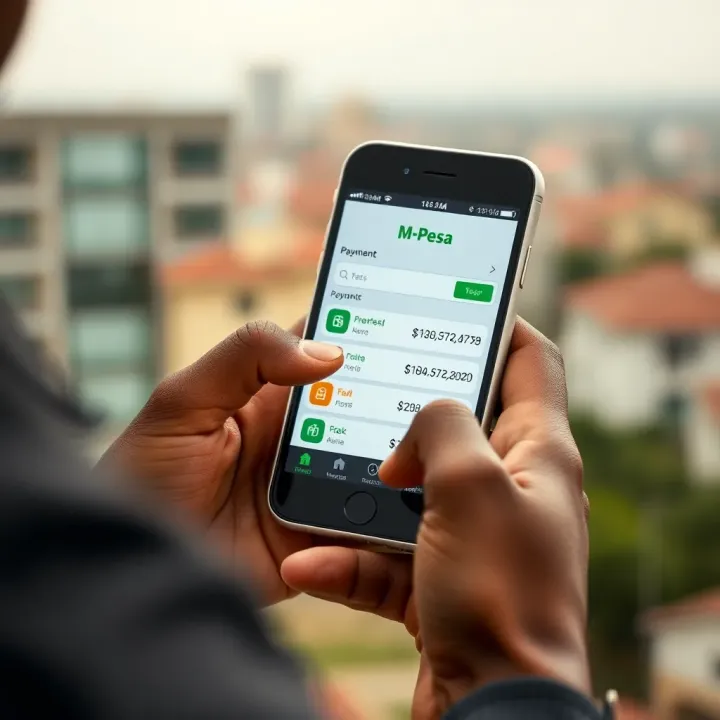
Start your forex trading journey in Kenya with clear steps on setting up accounts, choosing trusted brokers, managing risk & using M-Pesa 💹💼
Based on 14 reviews