
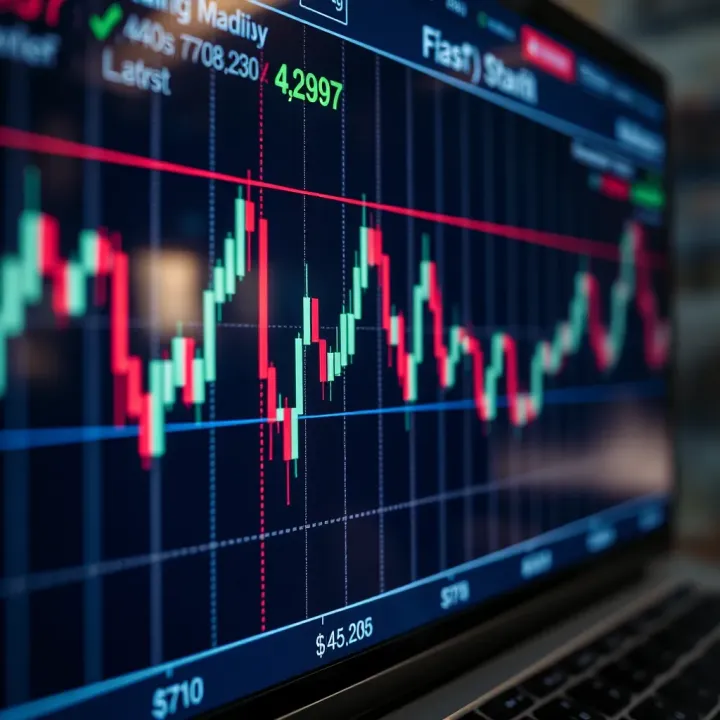
Forex Trading for Beginners in Kenya
📈 Learn forex trading basics for Kenyans: how the market works, start-up steps, risk tips, and practical advice to trade confidently and avoid common mistakes.
Edited By
Emily Clarke
Forex trading offers a way for Kenyans to engage in the global financial markets by buying and selling currencies. Unlike local businesses or shops, forex happens 24 hours a day across different time zones, but for many beginners, the market can seem a bit confusing at first.
Understanding forex trading starts with knowing the basics: foreign exchange (forex) involves trading pairs of currencies, such as USD/KES (US Dollar against Kenyan Shilling). The goal is to buy a currency pair at a lower price and sell it when its value rises, earning a profit from the difference.
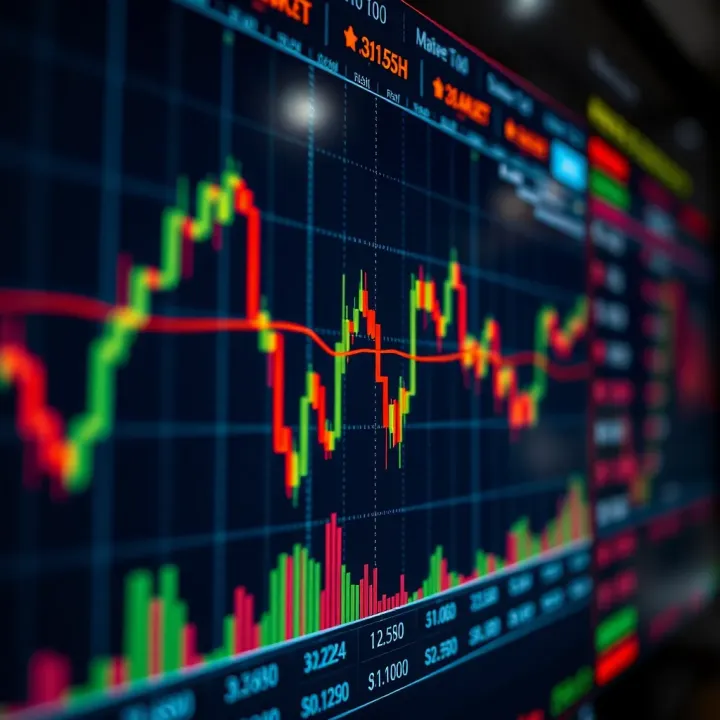
Kenyan traders often use platforms like MetaTrader 4 (MT4) or MetaTrader 5 (MT5), accessible through mobile or desktop, where they can place trades and monitor market movements. Payment methods such as M-Pesa make it straightforward to deposit and withdraw funds securely without needing a traditional bank account.
Getting started requires opening an account with a licensed forex broker. This choice is crucial because a reliable broker protects your money and complies with Kenyan financial regulations, which safeguard against fraud. For example, brokers regulated by the Capital Markets Authority (CMA) offer more trustworthiness.
Learning key terms is important before risking any money:
Pip: The smallest price movement in a currency pair, usually 0.0001.
Leverage: Using borrowed funds to increase the size of your trade.
Spread: The difference between the buying and selling price.
Margin: The amount needed to open a leveraged position.
Remember, forex trading involves risks, and it’s common for beginners to experience losses. Managing your risk with stop-loss orders and starting with small amounts helps protect your capital.
In Kenya, many beginners start with demo accounts that use virtual money. This allows you to practise strategies and understand market behaviour without losing real cash. Once comfortable, you can transition to live trading with real funds.
In summary, forex trading in Kenya is accessible thanks to mobile technology and platforms tailored for local use. But success depends on education, choosing the right broker, and disciplined risk management. This guide will take you through practical steps to trade confidently, understand market signals, and manage your money safely using tools like M-Pesa for payments.
To trade forex effectively, you first need to understand what the forex market is all about. It’s not just about buying and selling currency pairs; the market is influenced by many global factors that affect prices every day. Knowing how it works gives you a clearer picture to make better decisions and avoid costly mistakes.
Forex trading involves buying one currency and selling another at the same time in the foreign exchange market. For example, when you buy the US dollar against the Kenyan shilling, you expect the dollar to strengthen so you can sell it later for a profit. The forex market is the largest financial market worldwide with a daily turnover exceeding $6 trillion. Unlike the stock market, it operates 24 hours a day from Monday to Friday because different financial centres across the world open and close at different times.
At its core, forex trading works through currency pairs. You trade one currency by selling another, with the goal of profiting from changes in exchange rates. For instance, if you think the euro will gain strength against the US dollar, you buy the EUR/USD pair. If the exchange rate rises, you can sell at a higher price. Trades are usually conducted through brokers who provide trading platforms. In Kenya, many traders use platforms linked with M-Pesa to fund accounts conveniently. Leverage also allows you to control larger amounts of currency with a smaller deposit, but it raises risk — making understanding market moves even more important.
Forex traders focus on major currency pairs, which are the most traded and have the tightest spreads. The top pairs include EUR/USD, GBP/USD, USD/JPY, and USD/KES (US dollar against Kenyan shilling). The USD/KES pair is especially relevant for Kenyan traders, as it reflects how the local currency moves against the dollar.
The market opens on Sunday evening in Asia and closes on Friday evening in New York, running through four key sessions: Sydney, Tokyo, London, and New York. The busiest trading times are when sessions overlap, such as the London-New York overlap between 3 pm and 7 pm EAT. During these hours, there’s higher liquidity and often more price movement, offering better trading opportunities. Understanding which session is active helps you choose the best time to trade depending on your strategy.
Knowing the mechanics of forex and the right timing can improve your chances to trade profitably rather than guessing blindly or following hearsay. It sets a foundation for learning strategies and managing risks effectively in Kenya’s unique trading environment.
Understanding the language of forex trading can save you from costly mistakes. This section breaks down key terms every trader in Kenya should grasp to navigate the forex market confidently. Familiarity with these words helps you read charts better, place trades correctly, and manage risks efficiently.
A pip is the smallest movement a currency pair can make, usually the fourth decimal point. For example, if the USD/KES pair moves from 110.3500 to 110.3600, that’s a one pip rise. Pips are crucial because your profit or loss is measured in them.
A lot represents the size of your trade. The standard lot is 100,000 units of the base currency, but many brokers offer mini (10,000 units) and micro lots (1,000 units) too. If you buy one standard lot of USD/KES, you are trading 100,000 US dollars against Kenyan shillings.
Leverage allows you to control a big position with a small deposit. For instance, with 1:100 leverage, depositing KS0,000 means you can trade as if you have KS,000,000. While leverage magnifies profits, it also increases risks. Overusing it can quickly drain your account, so use it carefully.
The bid price is what buyers are willing to pay for a currency, while the ask price is what sellers want. If USD/KES shows a bid of 110.35 and an ask of 110.37, you would buy at 110.37 and sell at 110.35.
The difference between these prices is the spread. In this example, it is 0.02 Kenyan shillings. This is effectively the cost of trading, as you pay the spread when entering and exiting a trade. Brokers with lower spreads give you better trading conditions, especially for frequent traders.
Margin is the amount of money you need to open a trade. With leverage, margin acts like a security deposit. For example, trading one mini lot (10,000 units) with 1:50 leverage requires a margin of about KS2,000, assuming USD/KES is 110. This keeps your position open but is different from the full trade value.
Knowing these terms early on means you won’t be overwhelmed by trading jargon and can focus on making informed decisions. It’s like having the right tools ready before starting to build a house.
Mastering these basic forex terms positions you to trade more confidently and avoid common traps, especially when starting out with limited capital in Kenya’s fast-growing forex market.
Starting forex trading in Kenya requires practical knowledge of the local market setup and the steps involved in opening and funding a trading account. Many Kenyans are attracted to forex due to its accessibility and the potential for profit, but beginning without the right guidance can be risky. Getting the right broker, setting up your account properly, and funding it through convenient methods like M-Pesa are essential first steps.
Picking a reputable forex broker is the first big decision. The broker acts as your gatekeeper to the forex market, so trust and transparency are key. Kenyan traders should look for brokers regulated by recognised global authorities like the FCA (UK) or ASIC (Australia) and check if they have local presence or support. Always avoid brokers that promise unrealistic returns or have confusing fee structures.
Reliable brokers offer easy account management platforms, swift withdrawals, and good customer support. For example, brokers like XM, Exness, and HotForex have gained popularity among Kenyan traders for their local M-Pesa deposit options and clear trading conditions. Before settling, test the broker’s demo account to get a feel for their platform.
Once you choose a broker, you’ll need to open a trading account. This usually involves filling out an online registration form with your personal details, uploading identification documents such as a national ID and proof of residence, and answering questions about your trading experience.
Kenyan brokers and international ones accepting Kenyan clients often require compliance with KYC (Know Your Customer) procedures due to anti-money laundering laws. Choose the account type that suits your budget—many brokers offer micro, standard, and VIP accounts. For beginners, a micro account lets you trade smaller volumes, which limits risk while you learn.
Your broker will provide login credentials and a trading platform, often MetaTrader 4 or 5, where you place your trades. Make sure you understand the platform basics through tutorials before risking real money.
Funding your trading account is straightforward with M-Pesa, the most popular mobile money service in Kenya. Many brokers now allow deposits and withdrawals via M-Pesa, eliminating the need for bank transfers, which can be slow or expensive.
To fund via M-Pesa, you usually send money to a broker’s paybill or till number linked to your trading account. It’s quick, secure, and traceable. Besides M-Pesa, some brokers accept bank transfers, credit/debit cards, and e-wallets like Skrill or Neteller.
Remember, always check the minimum deposit requirements and fees associated with each payment method. Some payment options may have limits or processing times that affect your trading pace.
Having a reliable funding method helps keep your trading smooth and enables you to react quickly to market opportunities. Kenyan traders benefit greatly from brokers with strong M-Pesa integration since it aligns perfectly with local payment habits.
With these steps covered, you will be well positioned to start trading forex confidently and securely from Kenya.
Starting with simple, clear trading strategies is key for beginners in the forex market. These strategies help traders make sense of price movements and market patterns instead of gambling blindly. Understanding basic techniques like trend following and range trading equips you with skills to spot profitable opportunities and manage your trades better.
Trend following means trading in the direction where prices are moving consistently. For example, if the USD/KES pair has been rising steadily due to a strong US economy or political stability, a trend follower buys and holds, expecting prices to go higher. This strategy works well when the market shows clear upward or downward momentum. Traders often use moving averages or trendlines to confirm the trend before entering trades.
On the other hand, range trading involves recognising when prices move sideways within a defined range, bouncing between support and resistance levels without a clear trend. For instance, if the EUR/USD pair fluctuates between 1.0800 and 1.1000 for several days without breaking out, range traders buy near the support (1.0800) and sell near resistance (1.1000). This requires patience and careful attention to price levels.
Both approaches require discipline. Trend following can lead to losses when the market suddenly reverses, while range trading can be risky if a breakout occurs unexpectedly. Therefore, combining these strategies with proper risk management helps avoid big blows.
Technical analysis looks at past price charts and indicators like Relative Strength Index (RSI), Moving Averages (MA), or Bollinger Bands to predict where prices might head next. A Kenyan trader might notice that the USD/KES pair tends to rise after the Central Bank of Kenya (CBK) releases data increasing interest rates. By spotting a trend confirmed by technical tools, you can make more confident decisions.
Fundamental analysis, meanwhile, studies economic events and news that affect currencies. For example, inflation reports from Kenya or political developments in the US impact forex rates. A recent jump in Kenyan inflation could weaken the shilling against the dollar, presenting trading chances for those who follow fundamentals.
These two methods complement each other. Technical analysis helps time entries and exits, while fundamental analysis explains the "why" behind price moves. As a beginner, practice analysing both and see which fits your style best. Monitoring Kenyan economic indicators, global events, and using price charts together will give you an edge.
Successful forex trading in Kenya relies on simple strategies applied consistently, combined with tools to understand market behaviour and economic news.
By focusing on trend following, range trading, and blending technical with fundamental analysis, you’ll build a solid foundation. Stay disciplined, use stop losses, and always keep learning from your trades.
Managing risks is a key part of staying in the forex game for the long haul. Unlike some investment options, forex trading can be volatile, and the chances of losing your money are real if you don't handle risks properly. This section focuses on practical ways to protect your capital while navigating the market and how to identify traps many beginners fall into.
Setting stop losses and taking profits are essential tools to control losses and secure gains without second-guessing yourself mid-trade. A stop loss automatically closes a trade at a pre-set price, limiting how much you lose if the market turns against you. For example, if you bought USD/KES at 110 and set a stop loss at 109, you avoid bigger losses if the price drops.
Equally, take profit orders lock in profits at your target price. So, if you expect the pair to hit 112, setting a take profit order means your trade closes once it reaches that level, even if you are offline. Running without either puts you at the mercy of sudden market swings, especially with forex’s 24-hour cycle and global events affecting prices.
Overtrading is a common problem where traders make too many trades in a short time, often driven by the fear of missing out or trying to recover losses quickly. This behaviour can quickly drain your funds and cloud your judgment. Instead, plan your trades carefully and stick to your strategy.
Emotions like fear or greed can lead to rash decisions—panic selling or doubling down on losing trades are common mistakes beginners make. Keeping a trading journal helps: write down reasons for each trade and review your decisions regularly. This habit builds discipline and sharpens your market understanding over time.
Leverage lets you control a large position with a small amount of capital, which can amplify profits but also magnify losses. Most brokers offer high leverage ratios like 1:100 or even 1:500, but using these without clear risk management can wipe out your account.
For instance, if you use 1:100 leverage on KS0,000, you control KS,000,000. A 1% adverse move means a KS0,000 loss, wiping your entire capital. Start with low leverage and only increase it when you fully understand its impact. Regulatory bodies in Kenya and abroad often recommend cautious use of leverage, as the risks can be severe.
Managing risks isn't about avoiding losses altogether; it’s about controlling losses so you can keep trading another day.
Being realistic about losses, using stop losses, maintaining discipline, and understanding the real power of leverage make the difference between trading to win and just gambling. Kenya’s growing forex market demands that traders combine knowledge with prudence to thrive.
📈 Learn forex trading basics for Kenyans: how the market works, start-up steps, risk tips, and practical advice to trade confidently and avoid common mistakes.
📊 Learn forex trading basics, risk management, and local tips in Kenya. Get practical steps with a downloadable PDF guide to start trading confidently today!
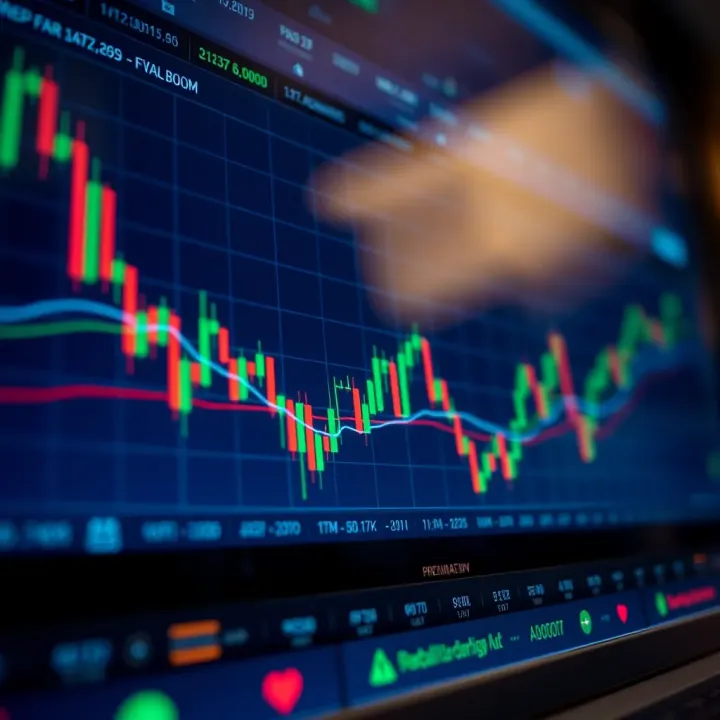
📈 Learn forex trading basics, key concepts, risk tips, and step-by-step guidance for Kenyan beginners. Get your practical tutorial PDF and start trading with confidence today.

📈 Learn forex trading basics with clear strategies, risk tips, and tools tailored for Kenyan traders in 2022. Start trading confidently and responsibly today!
Based on 13 reviews