
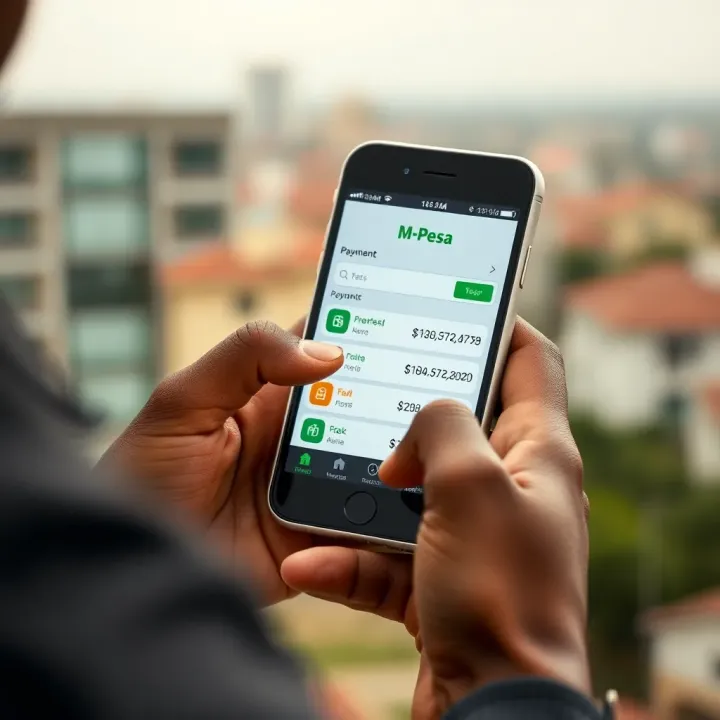
How to Start Forex Trading in Kenya: A Beginner's Guide
Start your forex trading journey in Kenya with clear steps on setting up accounts, choosing trusted brokers, managing risk & using M-Pesa 💹💼
Edited By
Sophie Langley
Forex trading has gained significant traction in Kenya over the past few years, drawing interest from traders, investors, and financial analysts alike. Unlike traditional stock markets, the foreign exchange market operates 24 hours a day, allowing flexible trading times that suit Kenya’s busy professionals and part-time traders. However, stepping into forex trading requires more than just putting money into the market; it demands a clear understanding of the basics and a reliable strategy.
Kenyan traders often start by familiarising themselves with how currency pairs work, since forex trading involves buying one currency while selling another. For example, the USD/KES pair shows how many Kenyan shillings are needed to buy one US dollar. Understanding such pairs and how global economic factors affect them is crucial before risking capital.
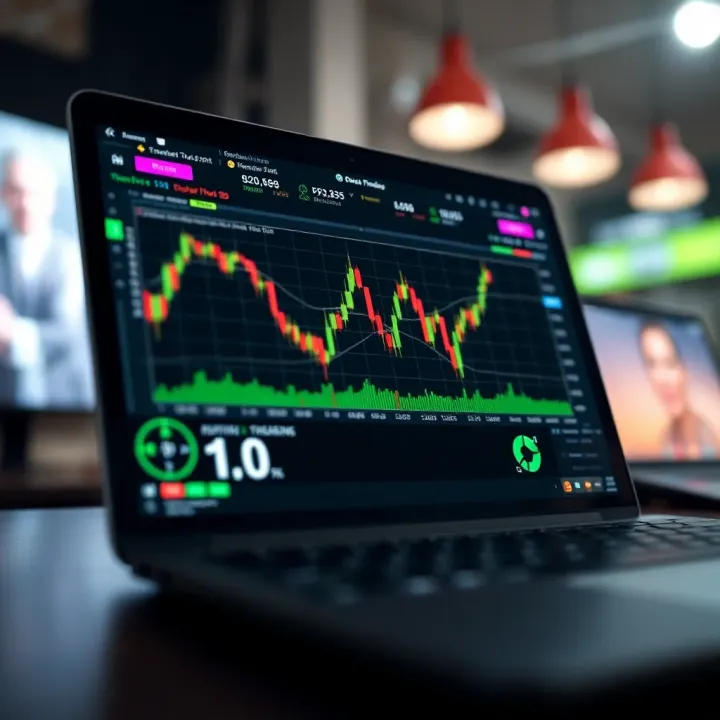
Choosing a trustworthy broker registered with the Capital Markets Authority (CMA) is vital. The CMA regulates forex brokers in Kenya to ensure transparency and protect traders from fraud. Brokers like XM, HotForex, and FXTM are popular options but always check their CMA licensing status and customer reviews.
Setting up an account usually requires basic identification documents and initial deposits, which vary depending on the broker. Many brokers support M-Pesa and bank transfers, making deposits and withdrawals convenient for Kenyan traders.
Forex trading strategies range from scalping quick profits on small price changes to longer-term approaches like swing trading. Understanding your risk appetite and available time can help choose the right strategy.
Remember, forex trading involves significant risk. Only trade what you can afford to lose and consider practising with demo accounts before committing real money.
Starting forex trading in Kenya is a step-by-step process requiring careful planning and adherence to local regulations. The following sections will cover broker selection, account setup, trading techniques, risk management, and compliance, helping you build confidence in Kenya’s forex environment.
Before diving into forex trading in Kenya, it's essential to grasp the basics. Understanding how the forex market works, the key terms, and why it appeals locally sets a strong foundation. This knowledge helps avoid common pitfalls and improves your chances in this fast-moving market.
Forex trading is the buying and selling of currencies to make a profit. It involves exchanging one currency for another, say US dollars for Kenyan shillings, based on how their values shift. Traders aim to buy a currency low and sell it higher, or vice versa, capitalising on these fluctuations.
At its core, forex trading provides liquidity to global markets and enables businesses and travellers to convert money. But for individual traders in Kenya, it's a chance to tap into a market that runs 24 hours a day and offers opportunities beyond local stock exchanges.
Currencies are traded in pairs, like EUR/USD or USD/JPY. The first currency (base) is bought or sold against the second (quote). If EUR/USD is at 1.12, it means 1 euro costs 1.12 US dollars. If the price rises, the euro has strengthened; if it falls, it has weakened.
This pairing method simplifies market trading — traders focus on whether a base currency will gain or lose value against its pair. For example, if the Kenyan shilling improves against the dollar, KES/USD will fall, meaning you need fewer shillings to buy 1 US dollar.
The forex market is open 24 hours five days a week, moving through Asian, European, and North American sessions. Nairobi traders can take advantage of its non-stop nature by trading during their available times, even outside working hours.
For example, you might trade during the London session in the afternoon or stay alert for price movements during New York late evening. This flexibility suits kenyans juggling jobs or businesses alongside trading.
A pip is the smallest price change in a currency pair, usually 0.0001 for most pairs. It helps measure profits or losses precisely. For instance, if USD/KES moves from 108.5000 to 108.5100, that 0.0010 increase equals 10 pips.
Lots refer to the size of your trade. A standard lot is 100,000 units of the base currency but many brokers allow mini (10,000) or micro (1,000) lots, making trading accessible with smaller funds.
The bid price is what buyers pay; the ask price is what sellers want. The difference between these two is the spread, effectively the broker's fee.
For example, if USD/KES bids at 108.50 and asks at 108.55, the spread is 5 pips. Tighter spreads mean lower trading costs and better deal for you.
Leverage lets you control a larger position than your deposit by borrowing funds from the broker. For instance, 1:100 leverage means KS,000 in your account controls KS00,000 in trades.
Margin is the actual money you commit for a leveraged trade. While leverage increases potential gains, it also magnifies losses. It’s crucial to use it carefully and never risk more than you can afford.
High mobile penetration and widespread internet access have made forex trading reachable to many kenyans. Platforms often support smartphones and tablets allowing traders in remote towns to participate without physical brokers.
This accessibility lowers barriers, especially since traditional forex required expensive equipment or office presence.
The forex market’s around-the-clock operation allows kenyans to fit trading into their daily routines. Whether you’re a boda boda rider, teacher, or businessperson, you can trade after hours or early mornings.
For example, some traders prefer the quiet late-night hours when markets are less volatile for practising strategies.
Kenya has seen a rise of user-friendly online brokers providing local payment methods like M-Pesa and KCB M-Pesa. These platforms often offer demo accounts, education materials, and local customer support.
This growth attracts beginners and seasoned investors alike, making forex trading more approachable and transparent than before.
Understanding these basics enhances your confidence and helps navigate Kenya’s evolving forex scene safely and smartly.
Picking the right forex broker is a critical step toward successful trading. A reliable broker acts as the bridge between you and the forex market, so their credibility, tools, and service directly affect your trading outcomes. In Kenya, where the online trading scene is growing fast, choosing a trusted broker reduces risks of fraud and ensures smoother trade execution.
The Capital Markets Authority (CMA) regulates all forex brokers operating in Kenya. Its role is to safeguard investors by licensing brokers who meet specific capital, transparency, and operational standards. Trading with a CMA-regulated broker means you are dealing with an entity authorised to operate legally and fairly in the Kenyan market.
This supervision is crucial because brokers not regulated by CMA or recognised bodies abroad often operate without oversight. Such brokers might withhold your funds, falsify trades, or offer poor customer service. Therefore, choosing a licensed broker protects you from shady practices and better ensures your money is safe.
Working with a regulated broker also means compliance with Kenyan laws, like anti-money laundering (AML) rules. For example, when funding your trading account, regulated brokers will verify your identity using valid documents such as your KRA PIN and ID, helping to reduce fraud. These brokers also usually provide clear terms regarding fees, withdrawal processes, and dispute resolution.
Unregulated brokers may offer flashy promotions but often come with hidden risks like arbitrary account freezes or delayed withdrawals. For any serious trader in Kenya, picking a regulated broker is not just safer—it’s essential.
The trading platform is your main interface for buying and selling currencies. Popular platforms like MetaTrader 4 or MetaTrader 5 are widely used in Kenya due to their ease, reliability, and wide range of technical tools. A good platform should allow smooth navigation, quick order placement, and access to live charts and indicators to help you analyse market movements effectively.
Some brokers also offer mobile apps compatible with Android and iOS, which suits Kenya’s mobile-centric lifestyle. This flexibility lets you trade anywhere—even between matatu rides in Nairobi traffic.
Every trade comes with costs, mainly spreads (the difference between buying and selling price) and sometimes commissions. Kenyan traders should compare these costs among brokers, as they affect profits, especially if you trade frequently.
Low spreads might seem attractive, but watch out for hidden fees like withdrawal charges or inactivity penalties. For example, some brokers charge a fee when you withdraw funds via M-Pesa, so it's good to factor those in before committing.
Convenient and secure payment methods are a must. Most Kenyan brokers accept deposits and withdrawals via M-Pesa, bank transfers, or other mobile wallets. M-Pesa integration is particularly popular because it’s fast and familiar to most traders.
Knowing the minimum deposit and withdrawal limits helps you plan your trading budget. Also, check the processing times; some platforms clear deposits instantly but may take longer to process withdrawals. A broker with smooth M-Pesa operations makes the whole trading experience hassle-free.
Before committing funds, look for reviews from other Kenyan traders on forums, social media, or trading groups. Pay attention to comments about withdrawal reliability, customer support responsiveness, and platform stability.
Be wary of brokers with mostly glowing reviews that sound scripted or lack detailed experiences. Genuine feedback often includes a mix of positives and negatives, giving you a realistic picture.
Most brokers offer demo accounts where you can trade with virtual money before risking real shillings. This is a great way to understand how the platform works, test trading strategies, and evaluate order execution speed without the pressure.
For instance, trying out rapid scalping on a demo can show if the platform can handle quick trades without delays. If a demo account feels clunky or crashes often, it’s a red flag.
Common red flags include unregistered brokers, promises of guaranteed huge profits, pressure to deposit large sums quickly, or refusal to provide transparent information about fees and regulations.
If a broker asks for unconventional documents or refuses to verify your identity, avoid them. Likewise, beware of brokers with unclear contact details or no local presence. Protect yourself by sticking to well-known brokers regulated by CMA or comparable bodies.
Choosing the right forex broker in Kenya isn’t just about low costs or flashy platforms — it’s about trust, security, and support that stand through real trading challenges.
Setting up your forex trading account is a critical step in joining the market. It acts as your gateway to buy and sell currencies, manage investments, and apply strategies. Without properly handling account setup, traders in Kenya may face unnecessary hurdles such as delays in funding or restrictions from incomplete documentation. This step also ensures you comply with regulations and safeguards your funds.
The registration process usually starts by visiting the broker’s website where you will be required to fill in personal details like your full name, email, phone number, and create a password. Many brokers now include an option to register with a mobile number, recognising how Kenyans mostly access services through mobile devices. The next step involves accepting the broker's terms and conditions. It’s a straightforward process but must be done carefully to prevent mistakes that could hold up account verification later on.
Next comes the document submission. Brokers ask for your Kenyan National ID or passport to comply with Know Your Customer (KYC) rules. You will also need to provide your Kenya Revenue Authority Personal Identification Number (KRA PIN). This helps link your trading activities to your tax records, which is vital for compliance with Kenyan laws. Having these documents ready from the start can speed up the process significantly.
After submitting documents, verifying your account is the next step. Verification means the broker confirms your identity and address. You may be asked to upload a utility bill or bank statement not older than three months. This step is crucial for account security and to prevent fraud. Without verification, you might be limited in how much you can trade or withdraw, so make sure to complete this promptly.
Popular deposit methods in Kenya include M-Pesa, bank transfers, and credit or debit cards. M-Pesa remains the easiest and fastest method for many traders due to its widespread use and reliable network. Some brokers also support Paybill and Till number payments. Picking a deposit method you are comfortable with improves your trading experience and access to funds.
Minimum deposit amounts vary by broker but generally start at around KSh 1,000 to KSh 5,000. This makes forex trading accessible even if you want to start small. However, keep in mind that very low deposits might limit your ability to diversify your trades or absorb losses. It’s wise to begin with an amount you can afford to lose while you learn.
Security is paramount when funding your account. Always use official payment channels and avoid sending money to unknown accounts. Check if your broker uses secure encryption (look for https and padlock symbols on their payment page). Protect your login credentials and never share PINs or password details. These practices protect you from scams and safeguard your hard-earned money.
Once your account is funded, you’ll interact with the trading platform, usually a downloadable app or a web-based interface. Basic navigation involves accessing different currency pairs, viewing your account balance, and checking trade history. Most Kenyan traders find MetaTrader 4 or 5 popular due to its simplicity and availability.
Placing your first trade requires selecting the currency pair you want to trade, deciding whether to buy or sell, and setting the trade size. You then confirm the order and monitor the trade in real-time. Platforms typically provide instant execution, so your trade reflects current market prices.
Trading platforms also offer charts and technical tools to help you analyse market trends. Using indicators like Moving Averages, RSI, or MACD can guide your decisions. These tools are essential for developing and applying trading strategies effectively. Tailoring these features to your style can improve your chances of consistent profits.
Setting up your account properly from the start ensures smooth trading activities and helps avoid pitfalls related to funding, regulation, and platform use. Take these steps seriously to build a strong foundation in your forex trading journey in Kenya.
Mastering forex trading strategies and risk management is essential for anyone looking to succeed in the Kenyan forex market. These skills help you make informed decisions, minimise losses, and protect your investment as you navigate the often volatile currency market. Understanding practical approaches like specific trading styles, technical analysis, and risk controls can turn trading from guesswork into a consistent activity.
Scalping, day trading, and swing trading represent different styles based on how long you hold a position. Scalping involves making many quick trades throughout the day, aiming for small profits each time. This suits traders with sharp focus and fast reactions, but it demands constant attention. Day trading means opening and closing trades within a single day, avoiding overnight risk. On the other hand, swing trading holds positions for several days to capture larger price moves. Beginners often start with day or swing trading, as scalping can be intense.
Using technical analysis indicators is about reading charts and data to predict movements. Popular indicators like Moving Averages, Relative Strength Index (RSI), and Bollinger Bands help traders identify trends and potential entry or exit points. For example, if the RSI indicates an asset is oversold, a trader might decide to buy anticipating a price bounce. Using these tools systematically reduces guesses and gives you a clearer basis for your trades.
Setting stop-loss and take-profit levels helps control how much you can lose or gain before your trade closes automatically. A stop-loss limits loss by selling if the price moves against you, while a take-profit locks in gains at a certain point. For instance, if you buy the USD/KES pair at 110, you might set a stop-loss at 108 and take-profit at 113. This way, you stick to your trading plan and avoid emotional decisions when markets move suddenly.
Risk management matters because forex trading involves high chances of losing money. Without clear safeguards, a single bad trade can wipe out your account. Protecting your capital ensures you can keep trading even if some trades don’t go your way. It's about staying in the game for the long term.
Setting risk per trade limits means deciding what portion of your account you are willing to lose on each trade—often 1-2%. For example, if your trading account has KSh 50,000, you might risk only KSh 500 or KSh 1,000 per trade. This prevents catastrophic losses and keeps your balance growing steadily.
Avoiding over-leverage is critical because while leverage allows control of larger positions with less capital, it also magnifies losses. Using leverage of 1:100 or more might seem attractive but can quickly drain your funds if you’re not careful. Sticking to lower leverage keeps risk in check.
Benefits of demo trading before live include the chance to learn without risking real money. Demo accounts simulate live markets in real time, allowing you to practise placing trades, using indicators, and testing strategies. For many Kenyans, this is a safe environment to gain experience.
Developing strategy confidence through demo trading means you can refine your methods, understand how your chosen techniques work, and adjust based on outcomes. This hands-on practice builds discipline and reduces mistakes when trading for real.
Transitioning to real money trading should be gradual. Start with small amounts once you feel comfortable, applying the lessons learned on your demo account. This approach prevents emotional errors and helps you adapt to the pressures that come with risking actual capital.
Consistent profits in forex trading come from good strategies combined with strict risk controls. Don't rush; take time to learn, practise, and manage risks carefully before scaling up your trading.
By focusing on these aspects, you equip yourself with the tools to trade forex in Kenya more confidently and sustainably.
Knowing the legal and tax requirements is a vital step for anyone planning to trade forex in Kenya. These rules help safeguard your investments, keep you on the right side of the law, and avoid unexpected penalties. Understanding how the Capital Markets Authority (CMA) regulates forex trading and the tax implications from the Kenya Revenue Authority (KRA) enables you to trade confidently and plan your finances properly.
The Capital Markets Authority (CMA) is the regulatory body responsible for licensing and supervising forex brokers and trading platforms in Kenya. This means any broker operating legally must be registered with CMA and follow its strict guidelines. Dealing with a CMA-regulated broker reduces the risk of falling victim to scams or substandard service. For instance, CMA ensures brokers maintain adequate capital and have transparent business practices.
Even though forex trading is accessible online, the CMA’s oversight works to protect Kenyan traders by enforcing compliance, monitoring unethical behaviour, and suspending illegitimate operators. This regulatory framework encourages safer trading environments and boosts investor confidence.
As a Kenyan forex trader, you are expected to comply with local laws concerning financial transactions and investments. This includes using brokers licensed by CMA and refraining from unregulated platforms that can expose you to fraud. The law also wants you to keep clear records of your trading activities, especially when moving funds through Kenya’s banking system or mobile money services like M-Pesa.
Moreover, forex trading profits are considered taxable income. Failure to declare these can result in legal penalties. Hence, understanding your legal obligations early helps you build a sustainable trading career without unexpected hitches.
Forex trading profits in Kenya are subject to income tax just like any other business or investment income. If you make gains from trading, these should be reported as part of your total taxable income when filing returns. For example, if you earn KSh 500,000 profit in a financial year, this amount is added to your income and taxed according to Kenya Revenue Authority’s (KRA) tax bands.
Some traders may qualify as business operators if trading regularly, which means they must issue tax invoices and possibly pay VAT if their turnover exceeds thresholds. Knowing this distinction influences how you manage your trading records and tax planning.
KRA expects all forex traders to declare profits in their annual tax returns. This includes gains realised through forex accounts and any funds withdrawn or transferred to your bank or M-Pesa accounts. Keeping detailed trade logs and bank statements helps you provide accurate data during tax filing.
Failing to report can attract audits or penalties. That said, KRA offers guidance on how to report income from investments, so seek their published instructions or consult tax experts. For instance, losses from trading can sometimes offset profits, lowering your taxable amount.
Maintaining accurate and up-to-date records of all your forex trades is key. This includes confirmations of trades, deposit and withdrawal receipts, and notes on your trading strategies. Such documentation not only helps during tax filing but also assists in tracking performance and spotting errors early.
For example, if you made a withdrawal of KSh 100,000 from your trading account, keeping the transaction receipt proves the source and purpose of funds to both KRA and your bank, avoiding unnecessary red flags.
Forex trading and taxation can become complex, especially when you start making regular profits or handling larger amounts. Engaging with a certified accountant or tax advisor familiar with Kenyan forex regulations ensures you remain compliant while optimising your tax position.
This is valuable because such professionals stay up to date with changes in CMA regulations or KRA tax directives. They can also guide you on legal ways to manage risk and safeguard your earnings, which is crucial for long-term trading success.
Staying informed about local rules and taxes keeps your forex activities safe and profitable. It’s a smart move that helps you focus on trading without surprises from the legal or tax side.
Start your forex trading journey in Kenya with clear steps on setting up accounts, choosing trusted brokers, managing risk & using M-Pesa 💹💼
📈 Start forex trading in Kenya with clear steps! Learn how to pick trusted brokers, use platforms like MetaTrader, manage risks, and build practical strategies tailored for local markets.
Start forex trading in Kenya today! Learn market basics, pick reliable brokers, manage risks, and use local methods like M-Pesa securely 👩💻💱
💰 Learn how to earn through forex trading in Kenya with practical steps, essential tools, and smart strategies. Navigate risks and legal aspects with confidence today!
Based on 12 reviews