

Understanding Risk Management for Kenyan Businesses
🔍 Learn how Kenyan enterprises can spot risks, assess threats, and use tech tools to protect operations and boost sustainable growth in local markets.
Edited By
James Harrington
Risk management plays a key role in Kenyan businesses, whether they are formal companies or SMEs. The economic environment here can be unpredictable—shifts in regulatory frameworks, currency fluctuations, or sudden market changes can impact daily operations. That's why having effective strategies tailored for Kenya's unique context isn't just helpful; it's necessary.
Businesses often face several types of risks: financial, operational, compliance, and reputational. For example, a Nairobi-based textile firm may struggle with fluctuating cotton prices or delays in importing materials due to customs clearance. At the same time, they must comply with regulations from agencies like the Kenya Revenue Authority (KRA) and the Capital Markets Authority (CMA).
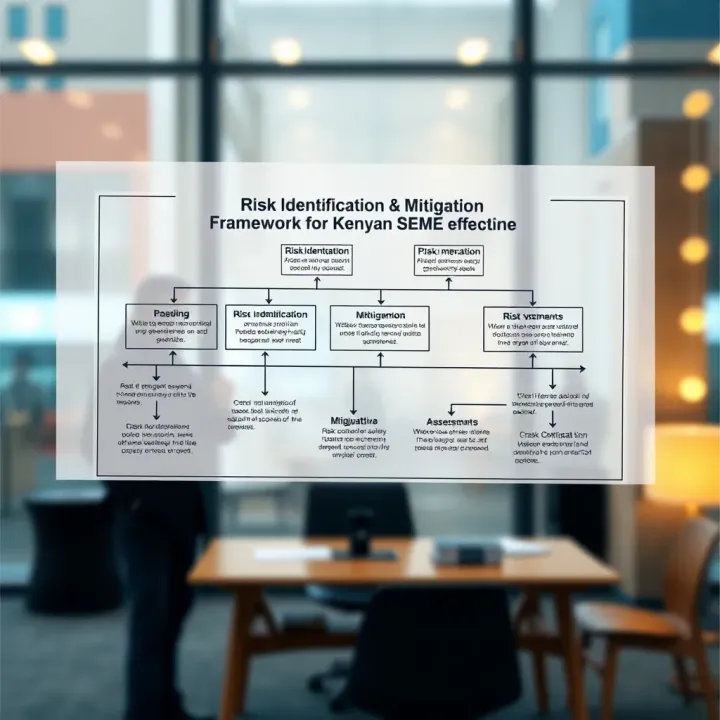
A solid risk management strategy isn’t about avoiding risks completely; it’s about understanding them well enough to control their effects on your business.
Identify Risks Early: Regularly review your business environment and processes to spot potential threats. This could mean monitoring market trends, supplier reliability, or changes in tax policies. Tools like financial audits and SWOT analyses (Strengths, Weaknesses, Opportunities, Threats) can help here.
Assess Risks Clearly: Not all risks have the same impact. Assign priorities by considering both the likelihood of a risk happening and how severely it may affect your business. For example, currency depreciation might hurt a manufacturing business heavily reliant on imported machinery, while a local eatery faces more operational challenges, such as supply chain disruptions.
Control and Mitigate Risks: Develop plans that reduce risk exposure. Diversify suppliers to avoid dependence on one source or use insurance products to cover potential losses. Implementing strict compliance checks with KRA requirements or NHIF/SHA contributions helps avoid penalties that could hurt cash flow.
Use Technology Wisely: Many Kenyan businesses now use digital tools for risk tracking and reporting. Accounting software linked to mobile money platforms like M-Pesa simplifies financial monitoring, alerting you early when cash flow dips or expenses rise unexpectedly.
By focusing on these steps, Kenyan businesses can build resilience. Effective risk management doesn’t remove challenges but equips you to respond quickly and confidently when they arise.
Risk management is fundamental for Kenyan businesses aiming to stay afloat amid uncertainties. It involves identifying potential obstacles that can disrupt operations or cause financial loss and putting in place measures to mitigate those threats. For traders and investors in Kenya, knowing how to manage risks means safeguarding their capital and ensuring smoother business continuity.
Risk refers to situations where the outcome is unknown but quantifiable, such as fluctuating exchange rates affecting import costs. Uncertainty, on the other hand, involves unknown factors that can’t easily be measured, like sudden political changes or abrupt policy shifts. Both are part of everyday business challenges in Kenya, especially in sectors exposed to global markets or vulnerable to local economic swings.
These concepts are crucial because they shape how Kenyan businesses plan for the unexpected. For example, a farmer in Rift Valley faces risks like drought (quantifiable through weather data) and uncertainties such as government subsidy changes. Proper risk management helps navigate both.
Kenyan businesses often face varied risks, from market volatility and currency fluctuations to operational disruptions like power outages. SMEs complain about inconsistent supply chains, while larger firms might grapple with compliance risks tied to evolving regulations such as taxation changes by KRA.
Besides financial risks, reputational damage and technological breaches are increasingly common, especially with growing internet use and exposure to cyber threats. For instance, a local e-commerce platform losing customer data could suffer both regulatory penalties and a drop in customer trust.
Kenya’s economy is highly influenced by factors like inflation rates, interest rates set by the Central Bank of Kenya (CBK), and political cycles. Businesses must anticipate these variables, as sudden inflation hikes can increase production costs and squeeze profit margins.
Regulatory bodies like KRA, CMA (Capital Markets Authority), and others impose standards that can affect business compliance burdens. Staying ahead in understanding these rules avoids hefty fines and operational disruptions. For example, a microfinance institution ignoring updated reporting requirements risks licence suspension.
Without effective risk management, businesses may face shutdowns due to unforeseen events. Take the 2011 post-election violence period — many companies in Nairobi had to halt operations, resulting in massive losses. During such times, companies with risk mitigation plans were able to navigate disruptions with less impact.
Continuity plans help businesses prepare for challenges like power interruptions, supply chain breakdowns, or even political unrest. Planning for these eventualities is necessary to keep daily business running smoothly.
Risk management safeguards physical assets, such as machinery and stock, and intangible assets like brand reputation. For instance, a hotel in Mombasa ensuring strict hygiene standards protects against reputational damage caused by health outbreaks.
Managers who proactively handle risks avoid costly repairs, insurance claims, and loss of customer confidence. This protection increases chances of long-term business survival.
Kenyan businesses operate within a framework set by government agencies. Risk management must include compliance to avoid penalties and legal issues. For example, a construction company failing to adhere to the National Construction Authority’s standards may halt a project or be fined.
Ensuring compliance also builds trust with customers and investors, signalling a commitment to quality and accountability. Regularly updating legal knowledge and auditing operations against local standards is critical.
A well-implemented risk management strategy is more than just a defensive tool — it strengthens business reputation, ensures compliance, and provides a foundation for sustainable growth in Kenya’s ever-changing business environment.
This section sets the tone for practical risk management tailored specifically to Kenyan traders, investors, and businesses. It draws from local examples and regulations, so readers find it both trustworthy and directly applicable.

Identifying risks early is a cornerstone of effective risk management for Kenyan businesses. Without a clear picture of potential threats, companies stumble in protecting their assets and seizing opportunities. Knowing what to look out for helps decision-makers plan smartly, allocate resources wisely, and avoid unpleasant surprises.
Risk checklists and brainstorming are traditional yet practical tools widely used by businesses. Checklists act as a ready-made inventory of common risks related to operations, finance, or compliance. For example, a Nairobi-based exporter may have a checklist covering currency fluctuations, customs delays, and political changes. Brainstorming sessions bring diverse teams together to generate ideas about less obvious risks. These collective sessions can highlight issues such as supplier instability or customer payment delays that might not appear on a generic checklist.
Consultation with stakeholders and experts enriches the risk identification process by tapping into specialised knowledge. Engaging with suppliers, regulators, industry consultants, and staff provides practical insights about emerging risks. A small manufacturing firm in Mombasa, for instance, might consult freight companies and customs officials to understand probable bottlenecks during the rainy season. These conversations often reveal nuanced risks tied to local conditions, which standard tools may miss.
Use of historical data and industry reports enables Kenyan businesses to learn from past experiences and sector trends. Analysing financial records, past incident reports, or disaster logs helps spot recurring patterns. For example, a Kenyan retailer might review sales data during the festive season to anticipate supply chain hiccups. Industry publications or reports from the Kenya National Bureau of Statistics provide additional context on broader economic or regulatory shifts affecting risk exposure.
Market volatility and currency fluctuations weigh heavily on many Kenyan businesses, especially those trading internationally. Sudden shifts in the Kenyan shilling against the US dollar, for instance, can erode profit margins or increase costs unexpectedly. A coffee exporter selling in dollars but incurring costs in shillings could face losses if the shilling depreciates sharply.
Supply chain disruptions present frequent challenges, partly due to infrastructure or regulatory hurdles. Delays at ports, road closures during the long rains, or strikes by transport workers can halt production or delivery schedules. For example, a food processing company in Nakuru depending on maize supplies might face shortages if farmers deliver late because of poor road conditions.
Legal and compliance risks require attention as Kenyan regulations often evolve. Companies must keep up with tax laws, labour regulations, environmental standards, and sector-specific licences. Ignoring these can lead to fines, legal action, or shutdowns. For example, an online retailer must ensure its data handling practices meet the Kenya Data Protection Act requirements to avoid penalties.
Technology and cybersecurity risks are increasingly relevant with growing digital adoption. Cyber-attacks, data breaches, or system failures can disrupt operations and damage reputations. A Nairobi-based fintech firm, for instance, risks losing customers if its M-Pesa integration faces vulnerabilities or downtime.
Early and systematic risk identification arms businesses with knowledge to act before problems escalate. In Kenya’s dynamic economic environment, staying alert to local challenges and global developments keeps firms resilient and competitive.
Assessing and analysing risks is a key step in effective risk management. For Kenyan businesses, this means understanding not just what risks exist but how likely they are to happen and what damage they could cause. This approach helps businesses focus on the most serious threats that could disrupt operations or drain resources.
When assessing risks, businesses often choose between qualitative and quantitative approaches, depending on their needs and available resources. Qualitative risk assessment deals with subjective judgements about risk severity and probability. For example, a small retailer in Nairobi may rate risks like theft or supply delays as high based on past experience without needing exact numbers. This method works well where detailed data may be lacking but quick decisions are necessary.
On the other hand, quantitative risk assessment uses numbers and statistics to measure risk impact and likelihood. Larger firms such as banks or insurers operating in Kenya often rely on this method, calculating potential financial loss from currency fluctuations or credit defaults. Quantitative analysis provides a clearer picture of risk exposure, allowing for precise financial planning.
Risk matrices and scoring techniques are practical tools used during assessment. A risk matrix plots risk likelihood against impact to highlight which risks demand urgent attention. For instance, a manufacturer in Mombasa might place equipment failure as high impact but low likelihood, while political unrest might score as moderate impact but higher likelihood. Visual tools like these help businesses quickly prioritise risks.
Scoring techniques assign numerical values to various risks, adding objectivity to the process. Kenyan SMEs can use simple scoring to rank risks such as power outages, load shedding, or transport delays, ensuring that mitigation focuses first on those with the highest scores.
After identifying risks and assessing their severity, the next step is allocating resources based on risk severity. Businesses must be selective, putting more funds and effort into managing risks that could cause significant damage. For example, a tea exporter facing major currency risk might invest heavily in hedging strategies while accepting smaller, manageable risks.
Balancing risk appetite with business goals is also critical. Every business decides how much risk it can tolerate without threatening survival. For example, a start-up tech firm in Nairobi might accept higher risk for faster growth, while an established company like Equity Bank maintains a low risk appetite to protect its reputation and customer trust. Finding this balance helps shape realistic and effective risk strategies that align with the company’s ambitions.
Risk assessment is not a one-time exercise but an ongoing process that guides smarter decisions. Kenyan businesses that regularly evaluate impact and likelihood, use practical tools like matrices, and prioritise risks thoughtfully are better placed to survive shocks and thrive.
This balanced approach to risk assessment and prioritisation equips Kenyan traders, investors, and business leaders with the clarity needed to safeguard their ventures while pursuing growth confidently.
Managing risks effectively is essential for Kenyan businesses to survive and grow amid uncertain environments. This section covers practical, proven methods that firms can adopt to handle various business risks, helping protect investments, maintain operations, and meet regulatory requirements. These strategies offer Kenyan traders, investors, and financial analysts tools to anticipate challenges and respond wisely.
Changing business processes to eliminate risks involves adjusting workflows or operations to remove potential threats before they occur. For example, a manufacturer in Nairobi might switch from a volatile local supplier to a more reliable regional one to reduce supply chain disruptions caused by inconsistent deliveries. By revising procurement policies or adopting automation in repetitive tasks, companies can reduce human error and streamline efficiency. This proactive approach minimises exposure and often saves costs in the long run.
Implementing safety and security measures is crucial, particularly for businesses vulnerable to theft, accidents, or cyber threats. Shops in busy markets could install CCTV cameras and hire security personnel to discourage robbery, while firms handling sensitive data should invest in antivirus software and regular system updates. Such measures not only protect physical and digital assets but also enhance customer confidence and regulatory compliance.
Using insurance products tailored for Kenyan businesses allows companies to pass specific risks to insurers, reducing financial loss from unexpected events. For instance, crop farmers in Rift Valley often use weather-indexed insurance products to shield against drought. Similarly, businesses can cover property, liability, and business interruption risks with local providers who understand Kenya's unique risk landscape. Choosing the right insurance ensures that firms don’t bear the full burden when disruptions happen.
Contractual arrangements with suppliers and partners help share or transfer risk by legally defining responsibilities. A Kenyan exporter might include clauses that shift currency fluctuation risks to the buyer, or require suppliers to adhere to quality standards to avoid disputes. Such contracts clarify expectations and reduce surprises, helping maintain smooth operations and stronger business relationships.
Accepting manageable risks is sometimes a practical choice when the cost of avoiding or transferring the risk outweighs the potential loss. A small shop in Mombasa might decide to keep certain stock without insurance due to high premiums, choosing instead to handle occasional losses. This way, businesses allocate resources where they matter most without overcommitting.
Continuous risk tracking and review ensures that businesses stay alert to new threats and changing conditions. By regularly monitoring key risk indicators and adjusting strategies, companies in Kenya can respond promptly to developments like regulatory changes or sudden economic shifts. This ongoing process increases resilience, allowing firms to adapt quickly rather than react late.
Incorporating these common risk management strategies helps Kenyan businesses safeguard assets, improve operational stability, and boost investor confidence in a dynamic market.
These approaches combined provide a robust framework that suits both large firms and small businesses looking to build resilience without unnecessary complexity or costs.
In Kenyan businesses, developing a risk-aware organisation is key to staying resilient amid the many uncertainties in the market and regulatory environment. When everyone in the company understands risks and their potential impact, they are better equipped to identify issues early, respond swiftly, and avoid costly surprises. This approach moves risk management from being a one-off exercise by the risk team to becoming part of everyday business decisions and operations.
Strong leadership commitment forms the backbone of a risk-aware culture. When senior managers and directors openly prioritise risk management, it sends a clear message across the organisation that spotting and handling risks is everyone's responsibility. For instance, a Nairobi-based textile firm that started regular risk workshops led by the CEO saw improved employee engagement in risk reporting, reducing production delays caused by unforeseen supply chain issues.
Training goes hand in hand with leadership support. Staff at all levels should receive practical sessions on recognising the types of risks common to their operations, such as currency fluctuations impacting import costs or regulatory changes affecting licensing. These trainings enhance confidence in risk discussions and encourage proactive behaviour rather than waiting for problems to escalate.
Creating channels for open and honest communication about risks breaks down fear of blame and encourages timely sharing of concerns. Kenyan businesses that implement anonymous reporting systems or regular risk meetings across departments can catch emerging threats before they turn critical. For example, a medium-sized tech company in Mombasa introduced weekly cross-team meetings to discuss cybersecurity risks, enabling quick action when phishing attempts were identified.
Open communication also fosters collaboration in managing risks, bringing different perspectives from finance, operations, and compliance to develop balanced solutions. This collaborative atmosphere strengthens the entire organisation’s risk posture and builds trust.
Kenyan businesses adapting to digital tools benefit significantly from risk management software that consolidates risk data in one place. Platforms like Resolver or RiskWatch allow companies to log risks, assign ownership, set deadlines, and monitor progress easily. This digital shift saves time over traditional spreadsheets and enables real-time updates.
For example, a growing SME in Kisumu used a cloud-based risk platform to track vendor risks linked to transport delays and payment defaults, which improved their supplier reliability and reduced costly downtime. Such tools also simplify reporting to boards or investors, presenting a clear risk overview.
Leveraging data analytics helps businesses anticipate risks rather than just react to them. By analysing historical sales trends, currency fluctuations, and customer behaviours, firms can predict potential cash flow shortages or market shifts.
A retail chain in Nakuru applied data analytics to forecast seasonal demand accurately, adjusting inventory to avoid overstocking or stockouts. Similarly, banks use analytics to detect unusual transactions, reducing fraud exposure. In Kenyan businesses, combining local data with analytics software provides sharper risk insights, enabling smarter decisions and improved resilience.
Building a risk-aware organisation isn’t a one-time project but an ongoing effort that integrates culture, leadership, and technology for practical benefits.
By fostering a culture where risks are openly discussed and supported by suitable tools, Kenyan businesses can navigate uncertainties confidently and safeguard their growth.
Measuring and reviewing risk management effectiveness is vital for Kenyan businesses aiming to stay resilient in an ever-changing environment. Risk is not static; what seemed manageable last year could turn into a serious threat tomorrow. By regularly assessing how well risk strategies perform, businesses can avoid surprises and adjust before small issues escalate. For example, a Nairobi-based export company might track currency volatility risks closely as the shilling fluctuates against the dollar, revising their hedging approach when the indicators show increased instability.
Identifying measurable indicators relevant to risks
Key Risk Indicators (KRIs) are quantifiable metrics that point to potential risks before they become critical. Selecting the right KRIs means focusing on measures that actually reflect the business’s unique exposures. A Kenyan retailer, for instance, could monitor supplier delivery times and stockout frequencies as KRIs signalling supply chain risks. These indicators provide clear signals, enabling timely action.
Choosing relevant KRIs involves understanding daily operations and external factors affecting the business. It’s not enough to pick generic measures; the indicators must link directly to known risks, such as fluctuating fuel prices impacting transport costs in Kisumu or unstable power supply affecting manufacturing in Thika. That way, the data collected truly informs management decisions.
Aligning KRIs with business objectives
KRIs must echo the organisation’s goals to keep risk management focused and practical. If profit growth is a top priority, KRIs might centre on financial factors like debt ratios or margin drops. For a business emphasising market share, KRIs could track customer churn or brand reputation metrics. In doing so, risk management becomes an integral part of advancing business strategy, not just a side activity.
Linking KRIs to objectives also encourages accountability across departments. If the customer service unit knows its metrics form part of risk monitoring, it tends to prioritise issues that could harm the company’s reputation. For SMEs in Kenya, where resources are often tight, aligning KRIs avoids wasted effort, ensuring every measure contributes to overall success.
Review cycles and documentation
Regular risk audits verify that controls work as planned and highlight emerging threats. This step ensures risk management keeps pace with the evolving business landscape. Kenyan businesses typically set audit schedules quarterly or bi-annually, depending on risk levels and sector volatility. For example, financial firms regulated by the Capital Markets Authority (CMA) might have stricter quarterly reviews to comply with industry standards.
Detailed documentation during these reviews is crucial. It creates a trail of decisions, actions, and outcomes, helping teams learn what works and what needs changing. Proper records also support accountability and ease reporting to stakeholders or regulators.
Adapting strategies based on audit findings
After audits identify gaps or new risks, businesses must be ready to adjust their approaches swiftly. Sticking rigidly to outdated plans risks costly failures. A logistics firm encountering repeated delays during the long rains may need to revise supplier contracts or diversify transport routes to reduce vulnerability.
Adapting does not always mean big changes; sometimes small tweaks in procedures or additional staff training can make a difference. The key is a feedback loop where lessons from audit findings influence future risk strategies. This ensures Kenyan businesses remain agile and prepared, even when unexpected challenges arise.
Consistent measurement and review build confidence—both internally among staff, and externally with investors or partners—that risk is under control and managed for sustained growth.
By focusing on measurable KRIs, aligning them with business goals, conducting regular audits, and adapting based on findings, Kenyan businesses can strengthen their risk management. This approach makes risk management a living process, tightly woven into everyday decisions rather than a once-off exercise.
🔍 Learn how Kenyan enterprises can spot risks, assess threats, and use tech tools to protect operations and boost sustainable growth in local markets.

🛡️ Learn how Kenyan businesses can identify risks, assess threats, and implement practical controls to safeguard assets and stay resilient amid economic changes. 📊
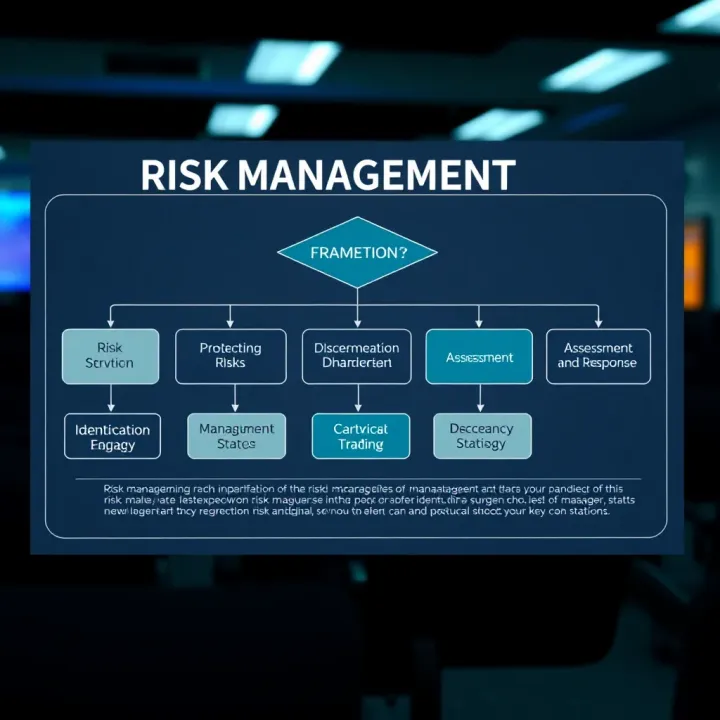
📊 Learn core principles of risk management to identify, assess, and respond to risks in Kenyan businesses and institutions for better protection and decision-making.

📊 Explore how Kenyan businesses can handle financial, operational, and reputational risks with insurance, diversification, and clear contingency plans to stay safe and flexible.
Based on 12 reviews